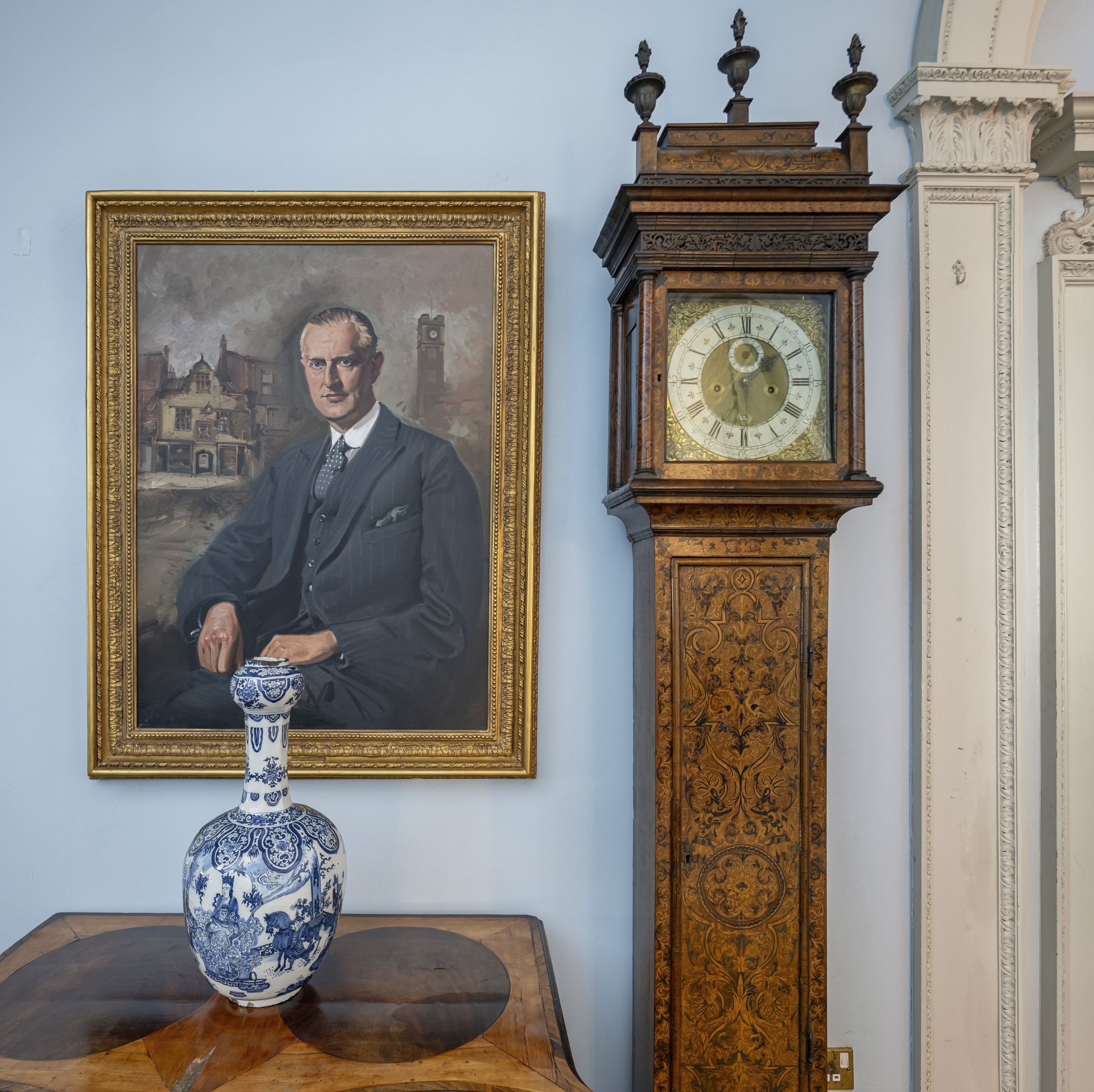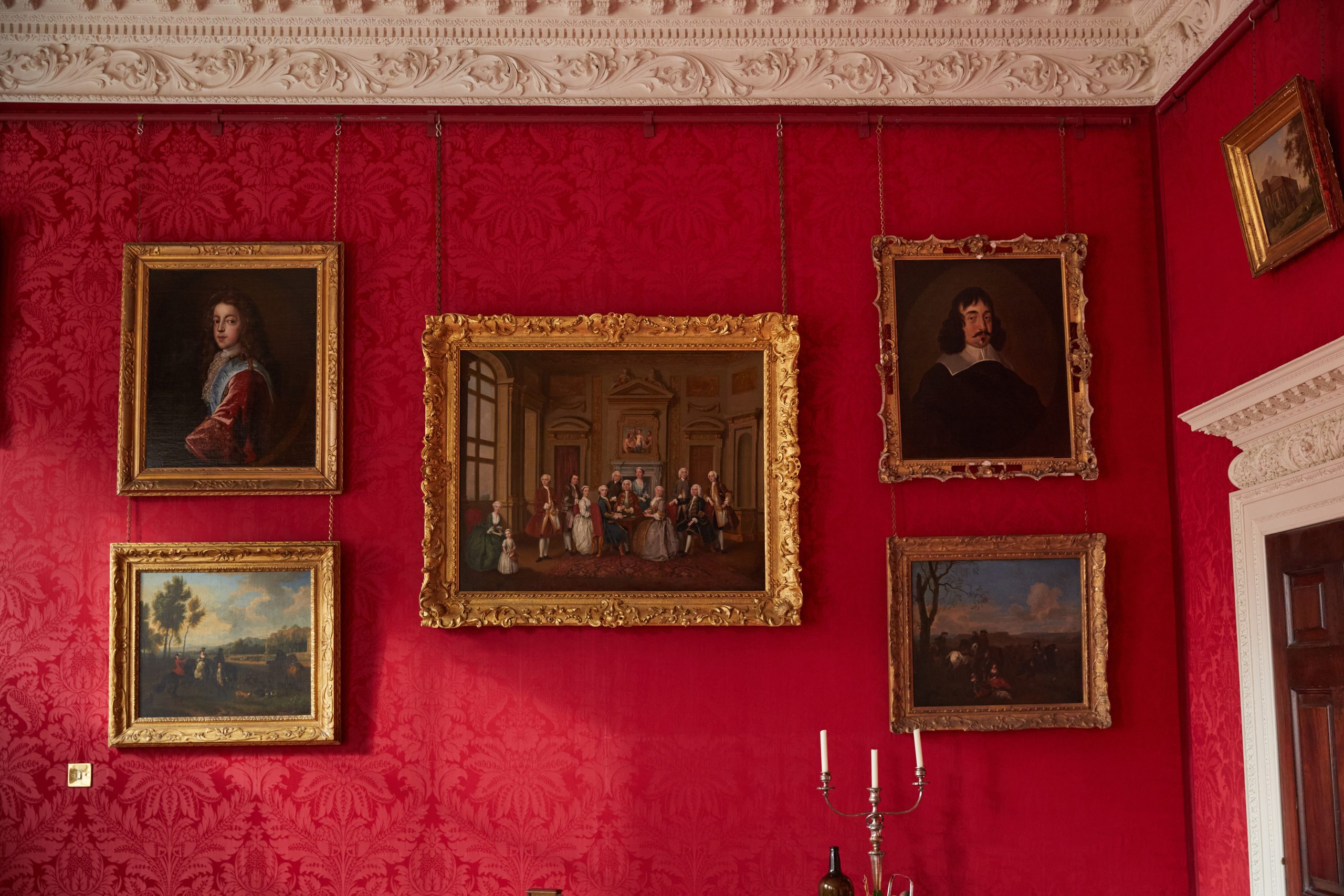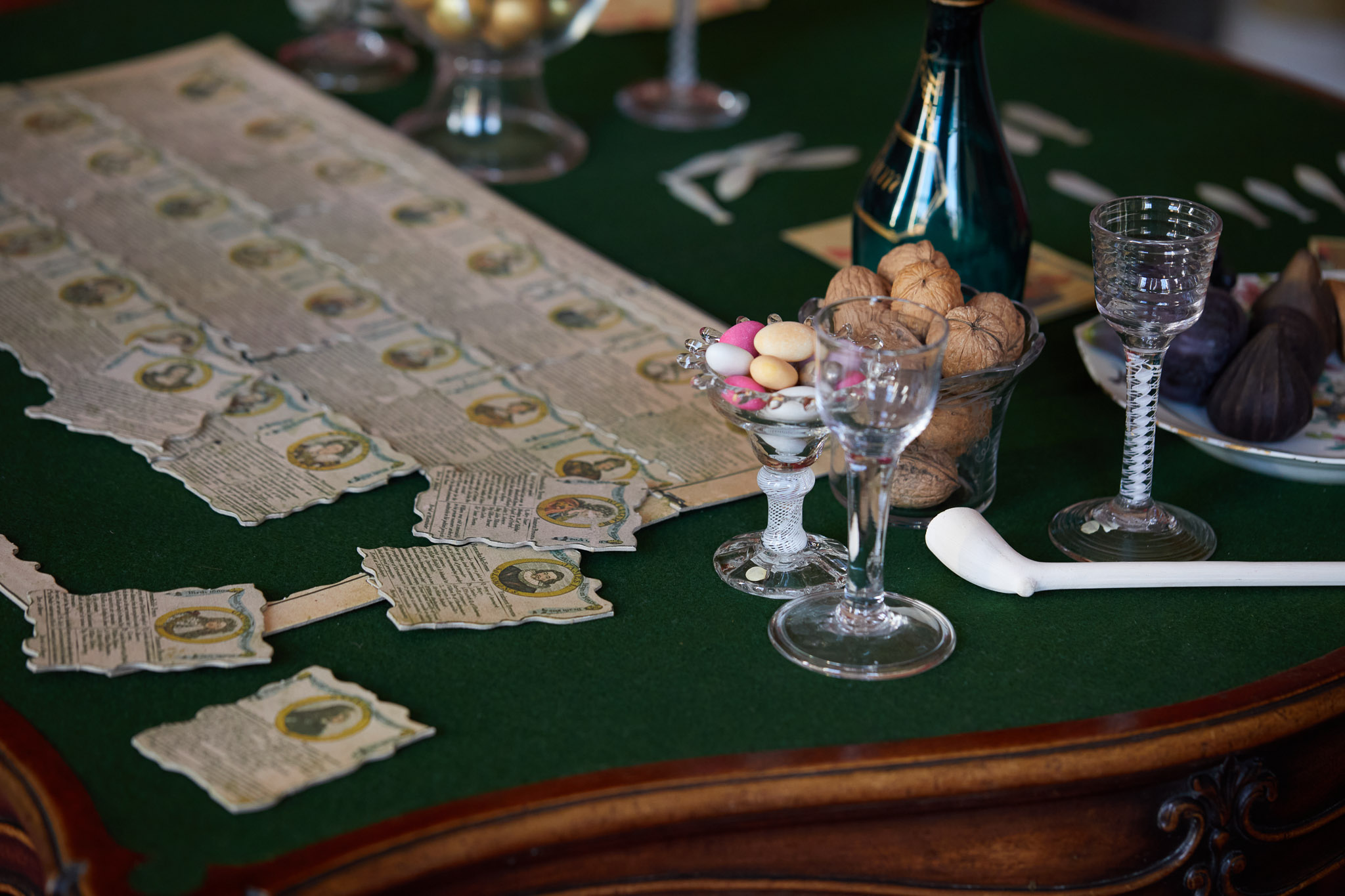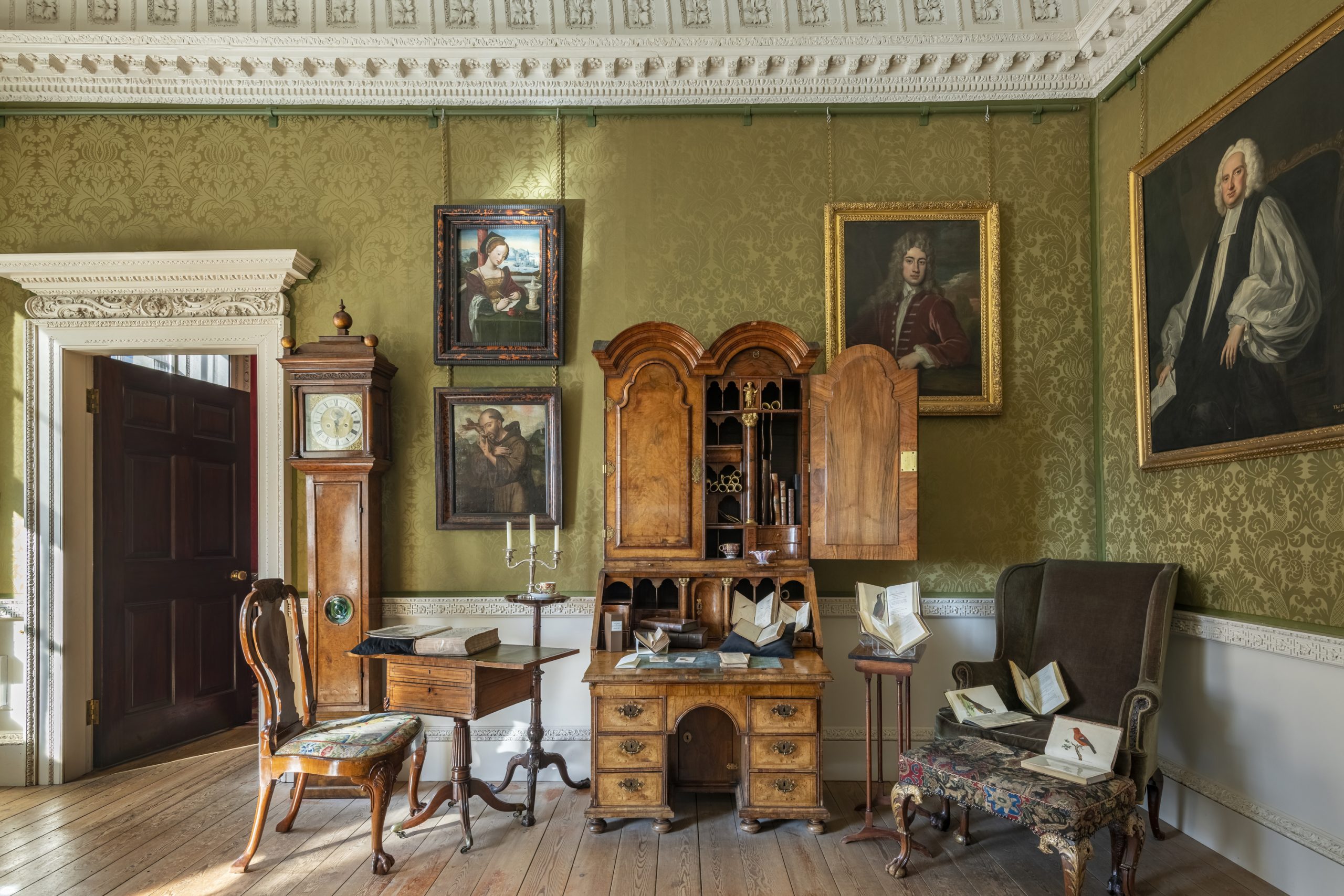
Fairfax House has a nationally significant collection of furniture, clocks, silver and paintings which offers a fascinating window into Britain’s wealthy eighteenth-century elite.
The collection comprises of objects bequeathed to York Civic Trust by Noel Terry and other supporters alongside objects acquired by the Trust to complement the mid-eighteenth-century interiors of Fairfax House.
Discover some of the highlights from our collection below…
If you would like to know more about specific items in our collections, please get in touch.
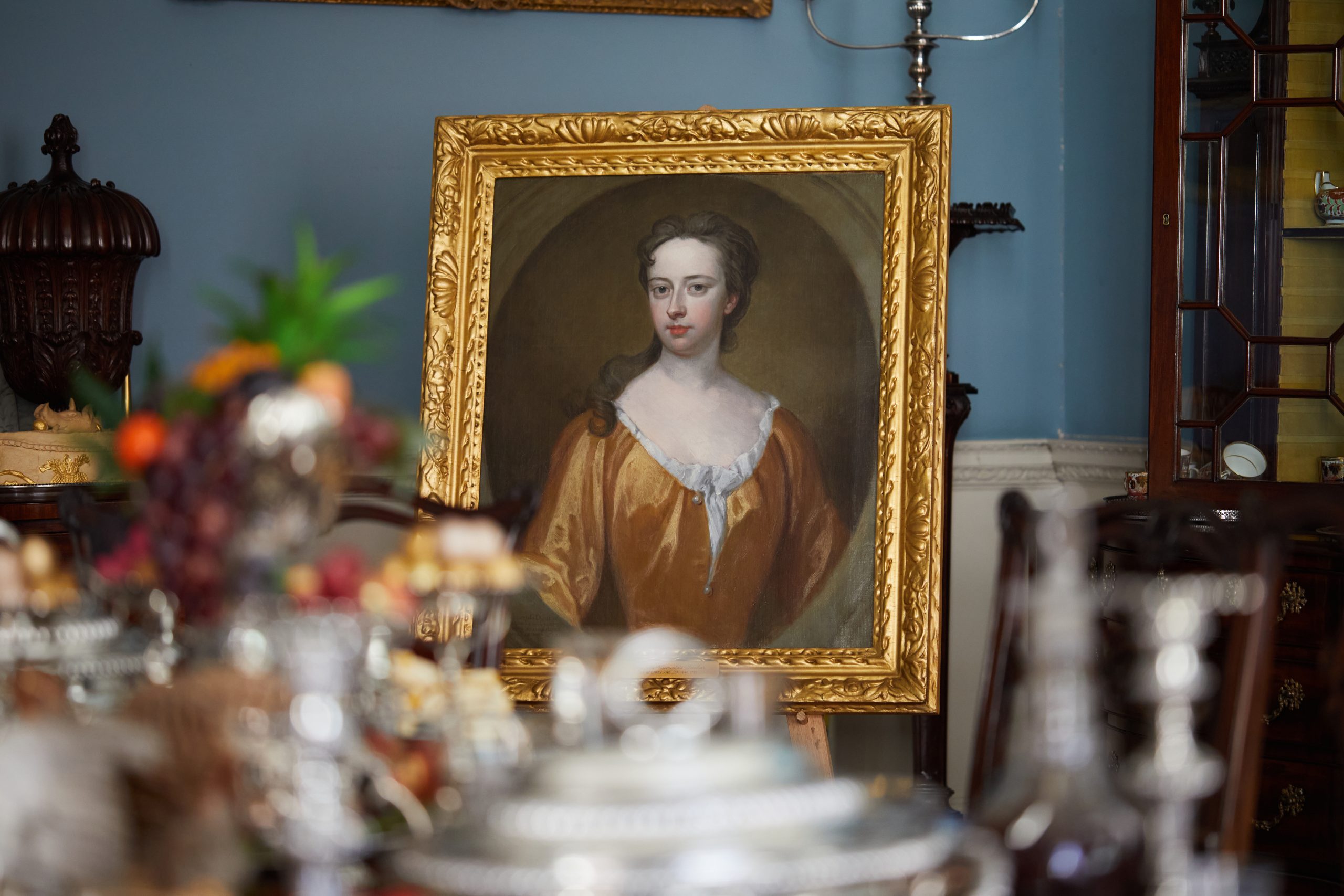
With evocative portraits, dramatic seascapes, scenes of religious virtue and Vanitas still-lifes Fairfax House has a rich and varied collection of paintings on display throughout its rooms. Highlights include portraits by Sir Godfrey Kneller, Phillipe Mercier and Thomas Lawrence, nudes by William Etty, still-lifes and dramatic seascapes by Dutch masters Hermel Van Steenwyck and Willem van de Velde, as well as a range of devotional pieces by various European masters.
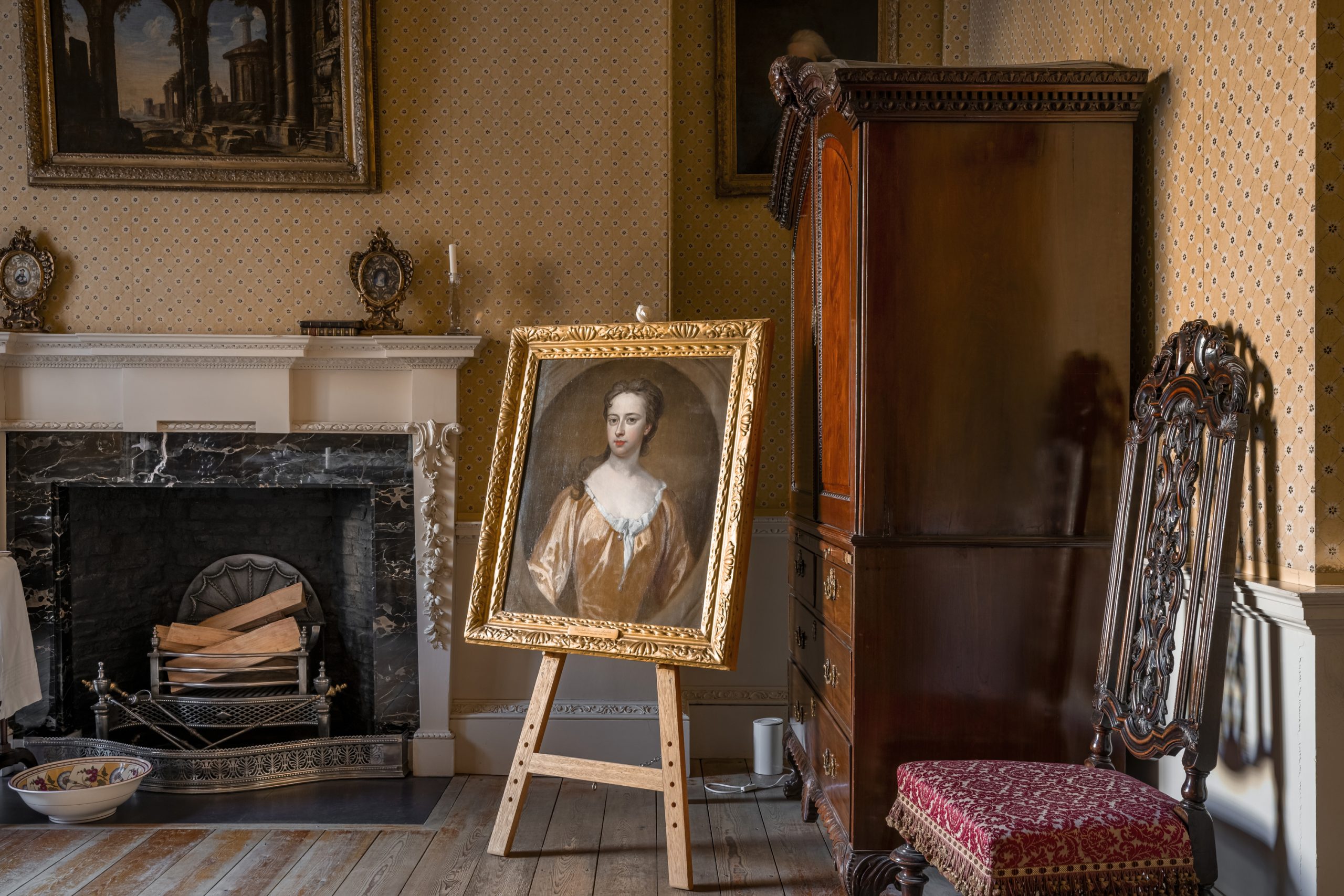
Most recently, we have acquired a portrait of Elizabeth, Viscountess Dunbar, the first wife of Charles Gregory Fairfax, 9th Viscount of Emley, thanks to a public fundraising campaign.
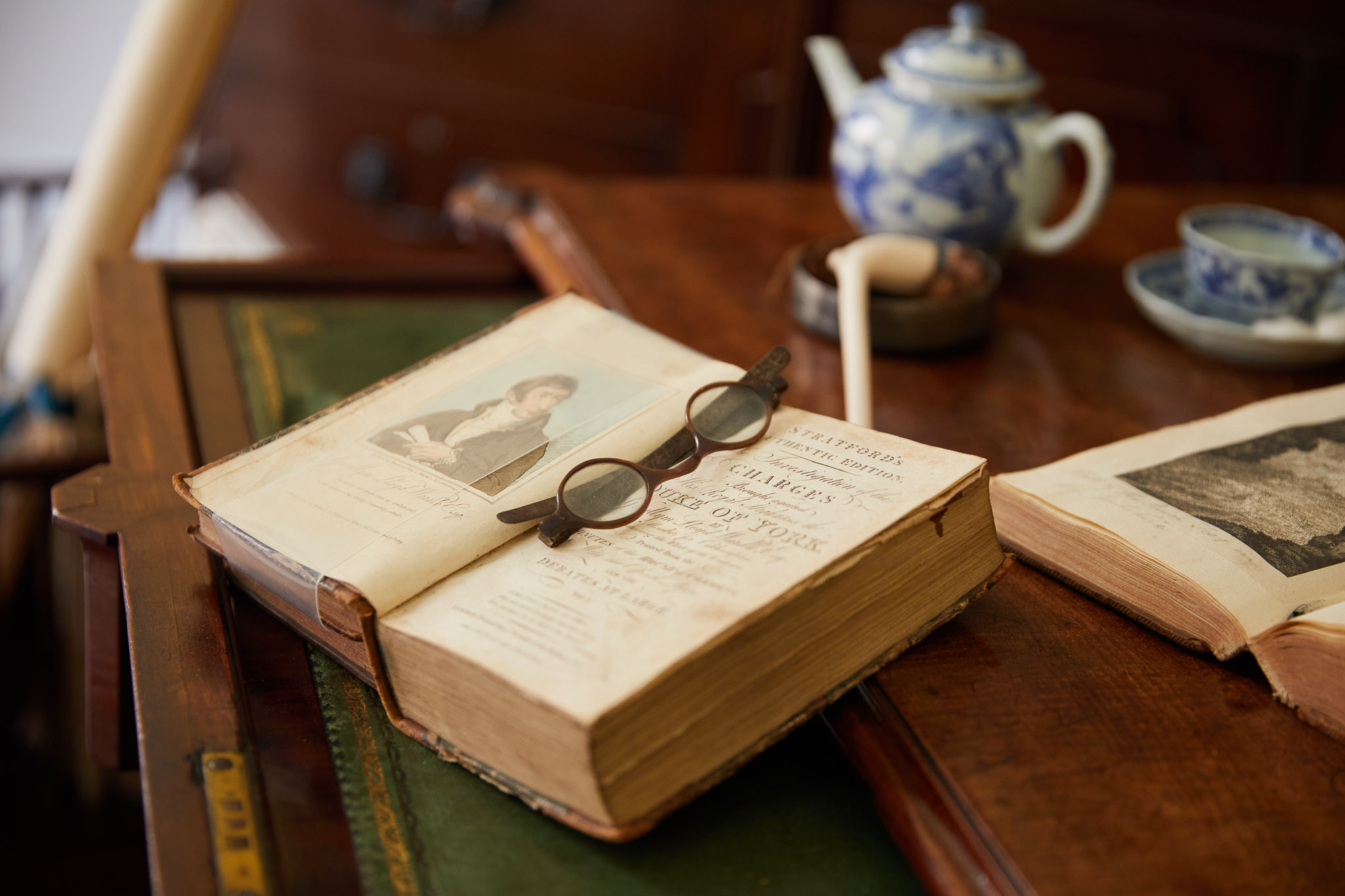
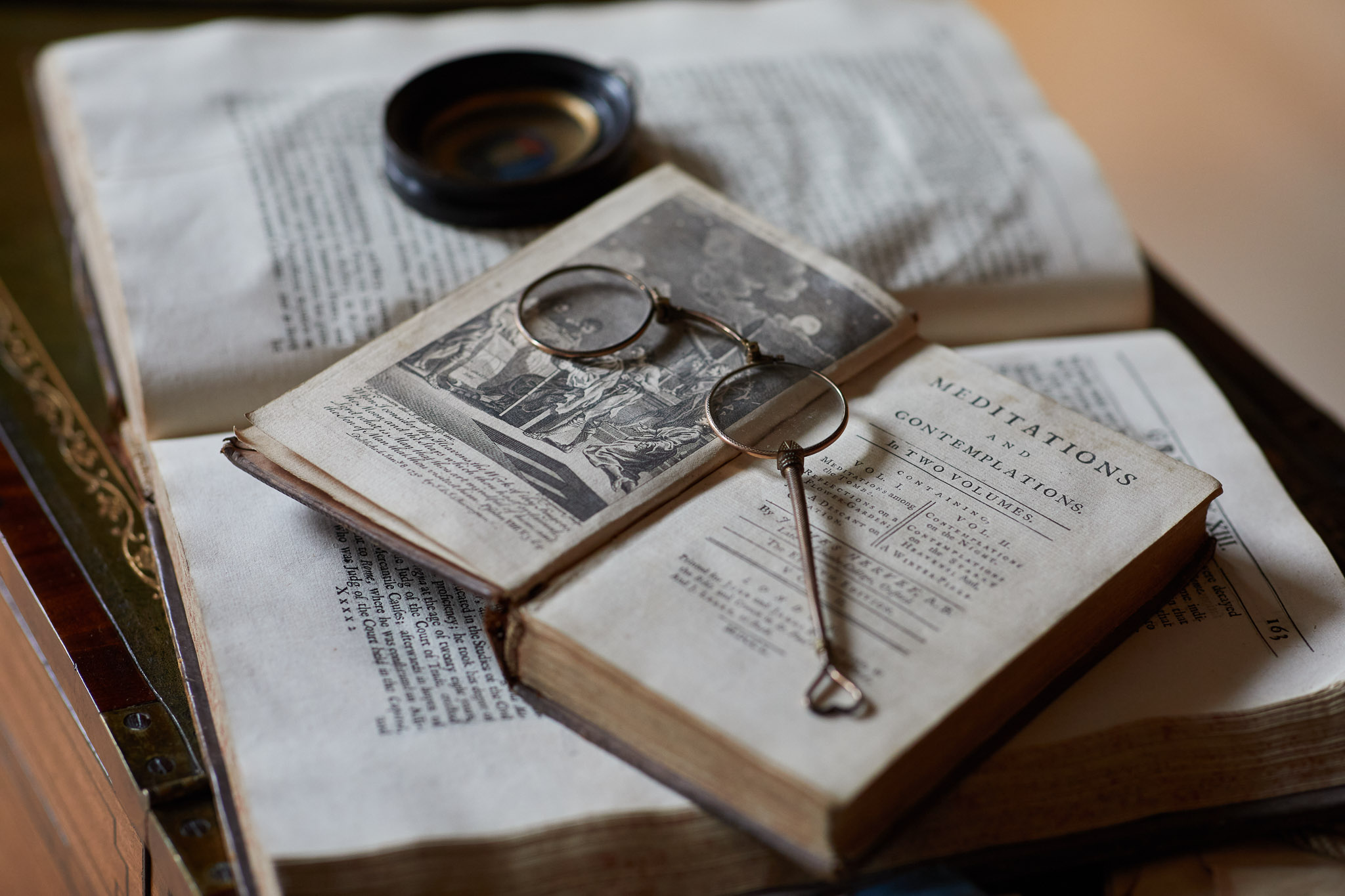
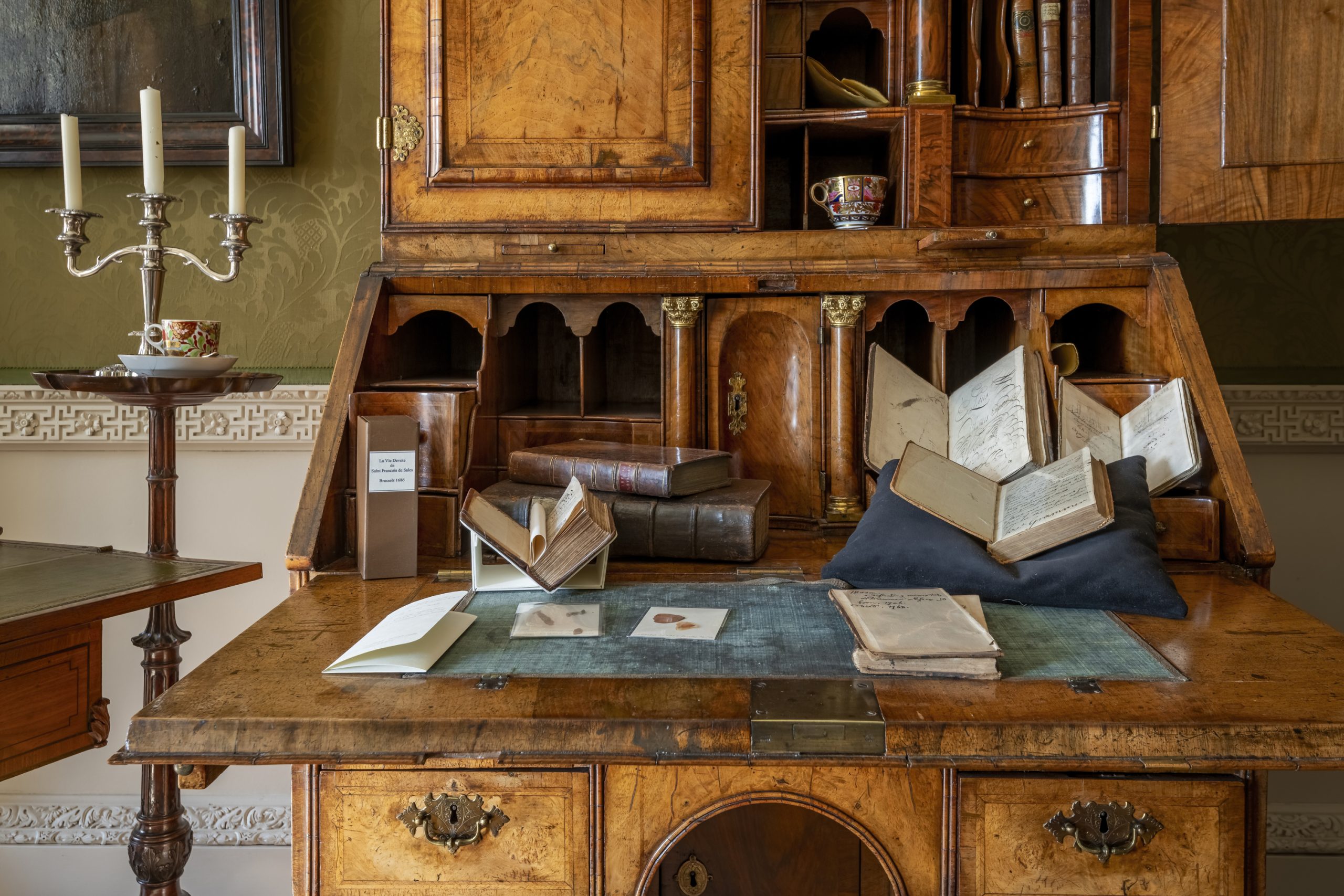
Over 1000 books and pamphlets make up the collection at Fairfax House, ranging from the late sixteenth century to the early nineteenth century. The collection includes texts on religion and philosophy, travel across Europe, history and architecture and the Natural World.
A particular highlight is John Carr’s – the eighteenth-century architect of Fairfax House – own copy of Vitruvius Britannicus, which he has personalised with the addition of sketches and prints of buildings he designed and built.
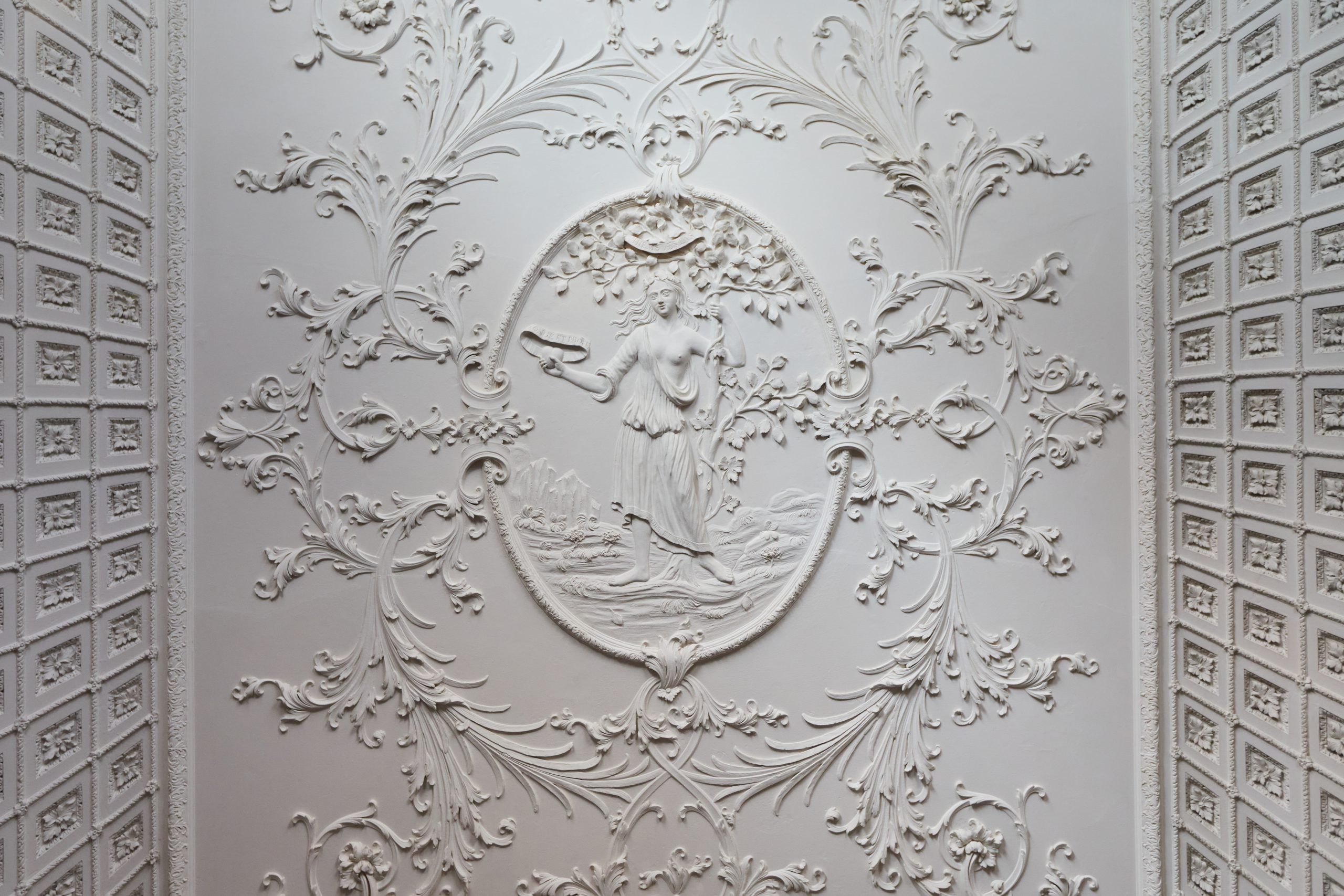
Intentionally designed to represent the function of the public rooms, the stuccowork ceilings at Fairfax House are a remarkable survival of eighteenth-century craftsmanship at its height. Believed to have been completed by either Swiss-Italian stuccoist Giuseppe Cortese or York born James Henderson, they reflect the wealth, status and tastes of the Fairfax family as well as more covertly pointing to the family’s recusant Catholicism.
Here is the figure of Amicitia (Friendship), who stands holding a heart in one hand and grasping a flourishing elm tree in the other – imagery which stresses the enduring nature of friendship.
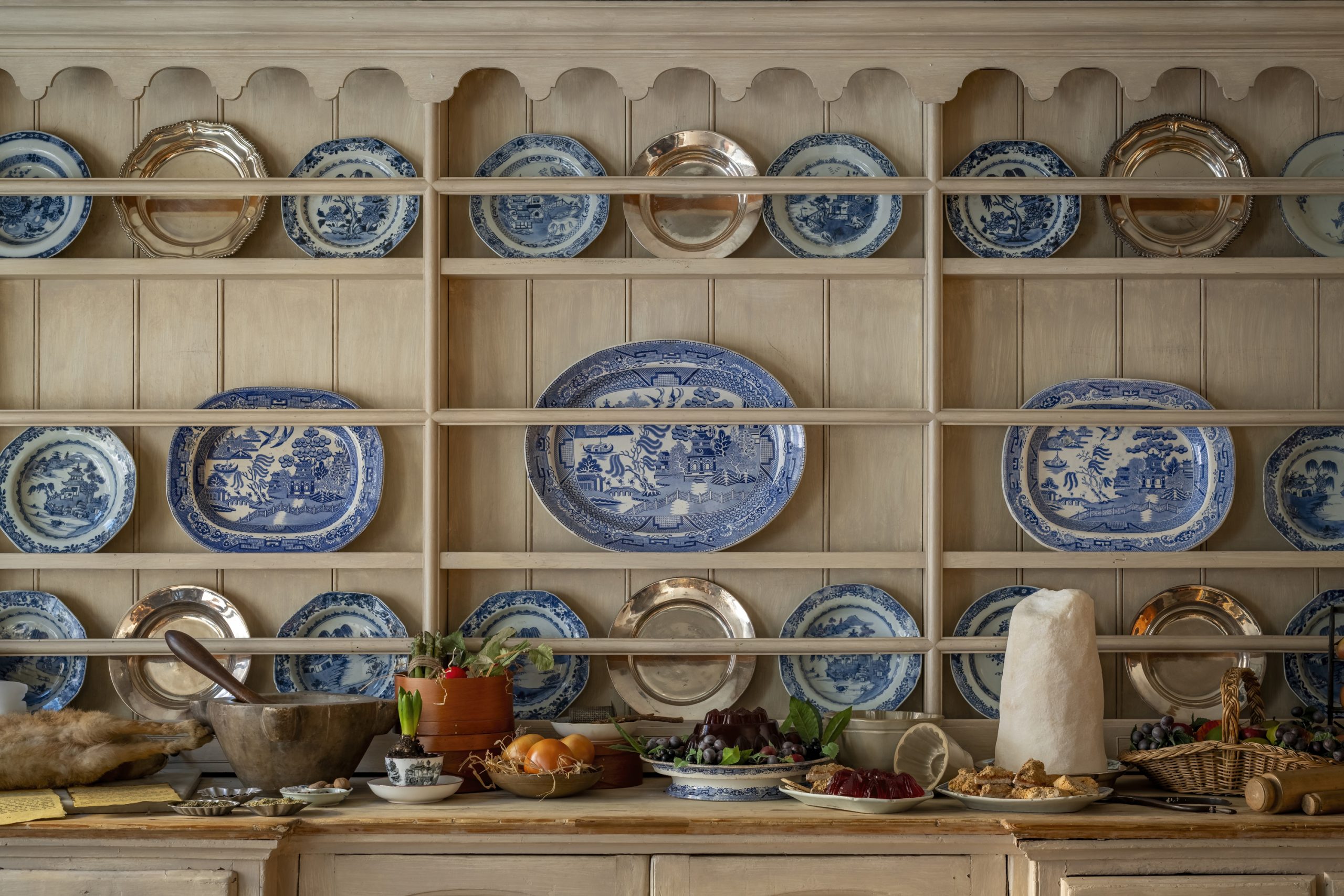
The majority of the ceramics collection was gifted to York Civic Trust as part of the Noel Terry Bequest. It had been inherited by Kathleen Terry, Noel’s wife, through her father Henry Ernest Leetham – a famous York industrialist – who over time created an impressive collection of Chinese porcelain and jade.
The collection has been added to by purchases and gifts, including a bequest of 12 objects in 2022 by Barbara Huebner. It included a Thomas Whieldon figurine, tankards, cups and saucers, Staffordshire salt-glazed stonework and beautiful examples of Georgian creamware, one of which is shown here.
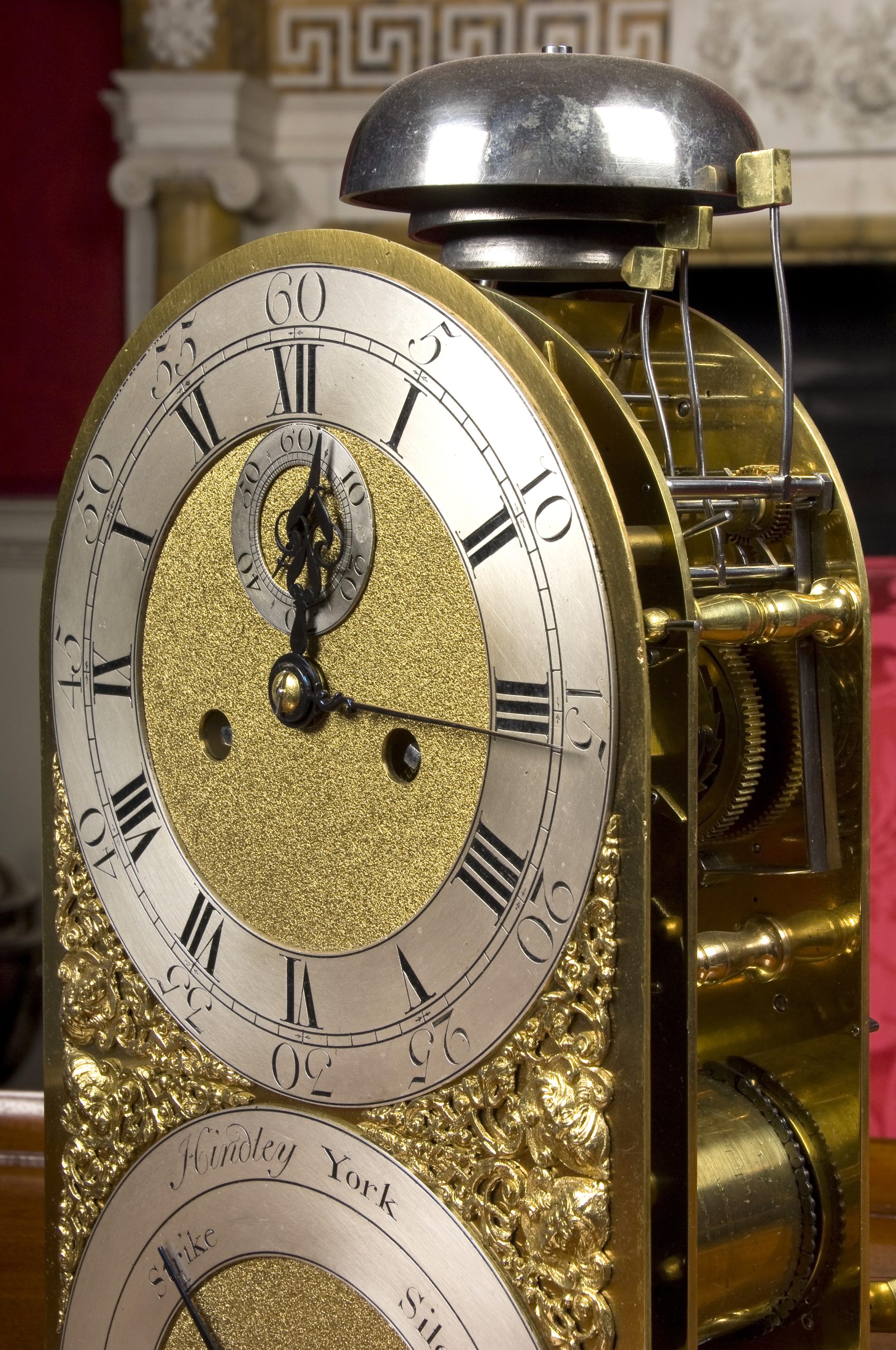
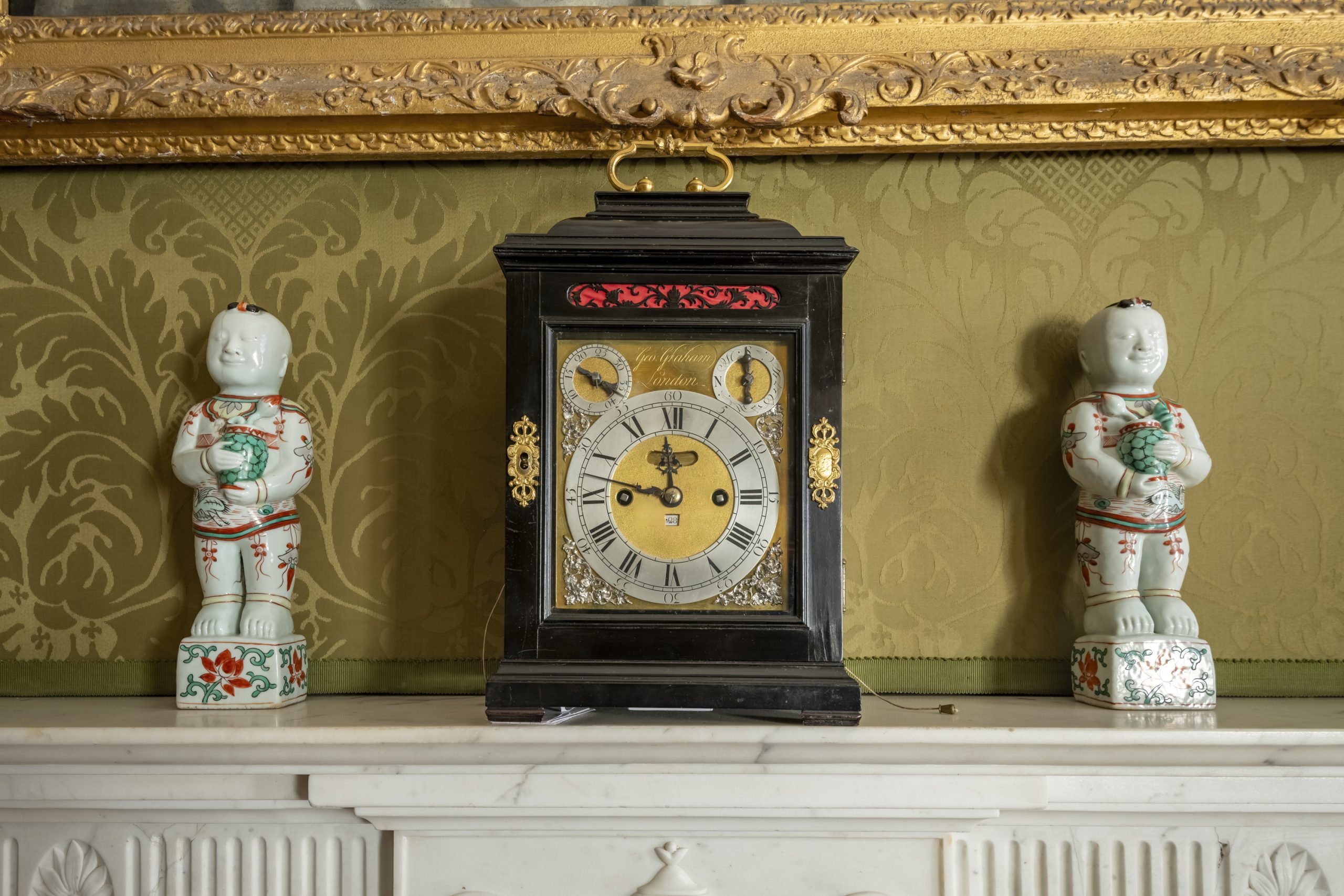
The horology collection includes thirteen early English clocks by some of the greatest clock makers of the late-seventeenth and early-eighteenth centuries. Comprising both longcase and spring clocks, on display are works by Thomas Tompion, Edward East, George Graham and Daniel Quare as well as spring clock by pioneering York clock-maker Henry Hindley.
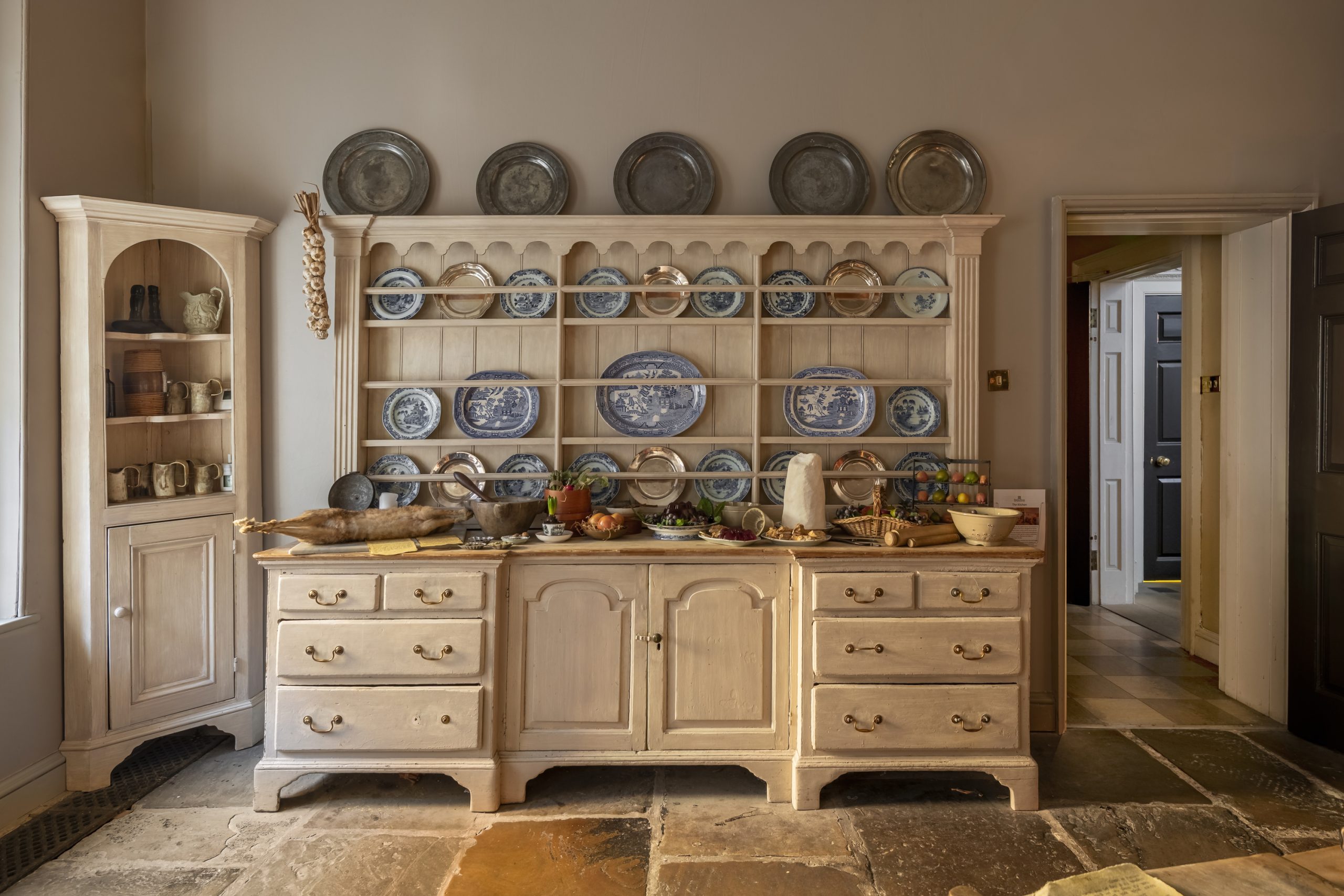
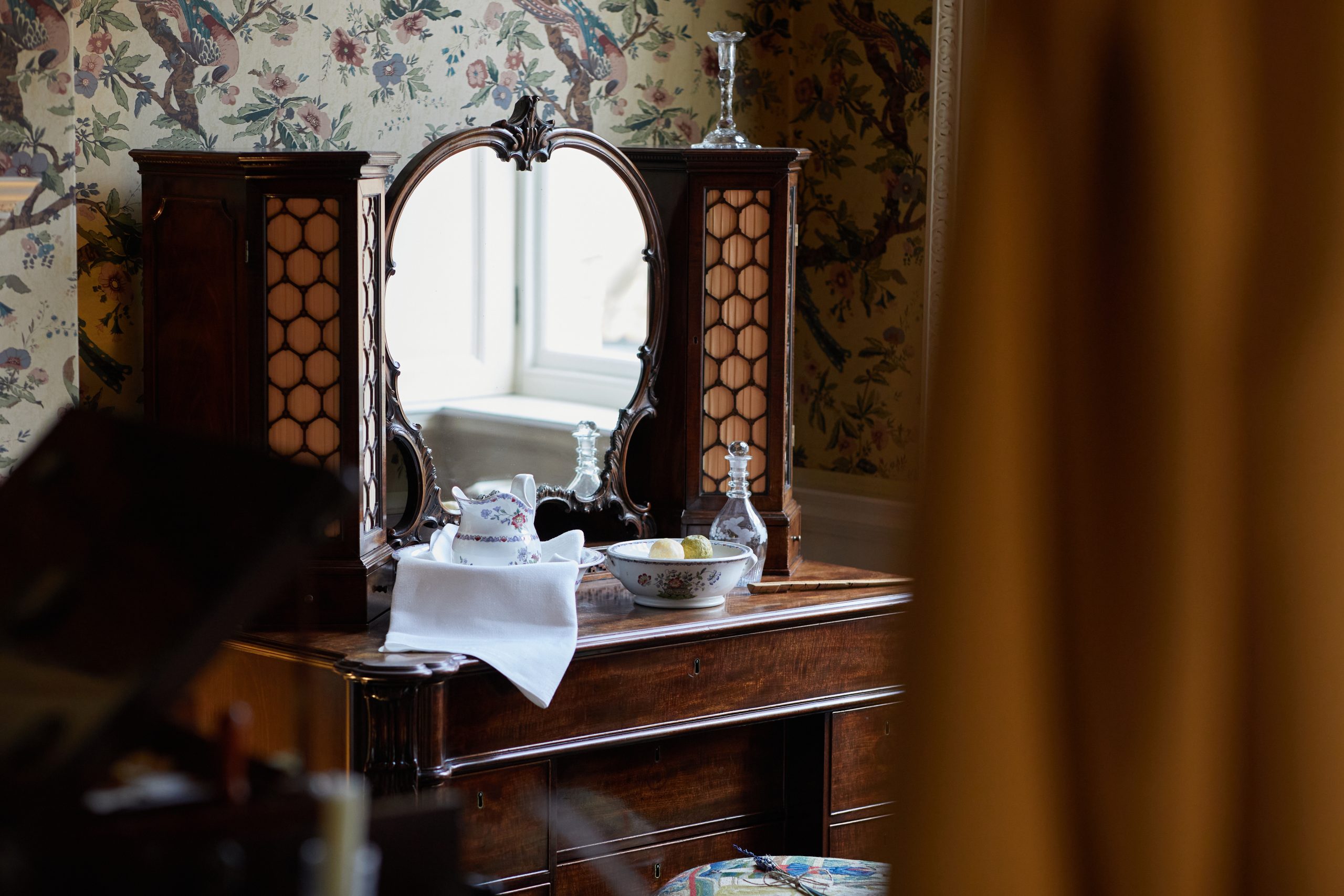
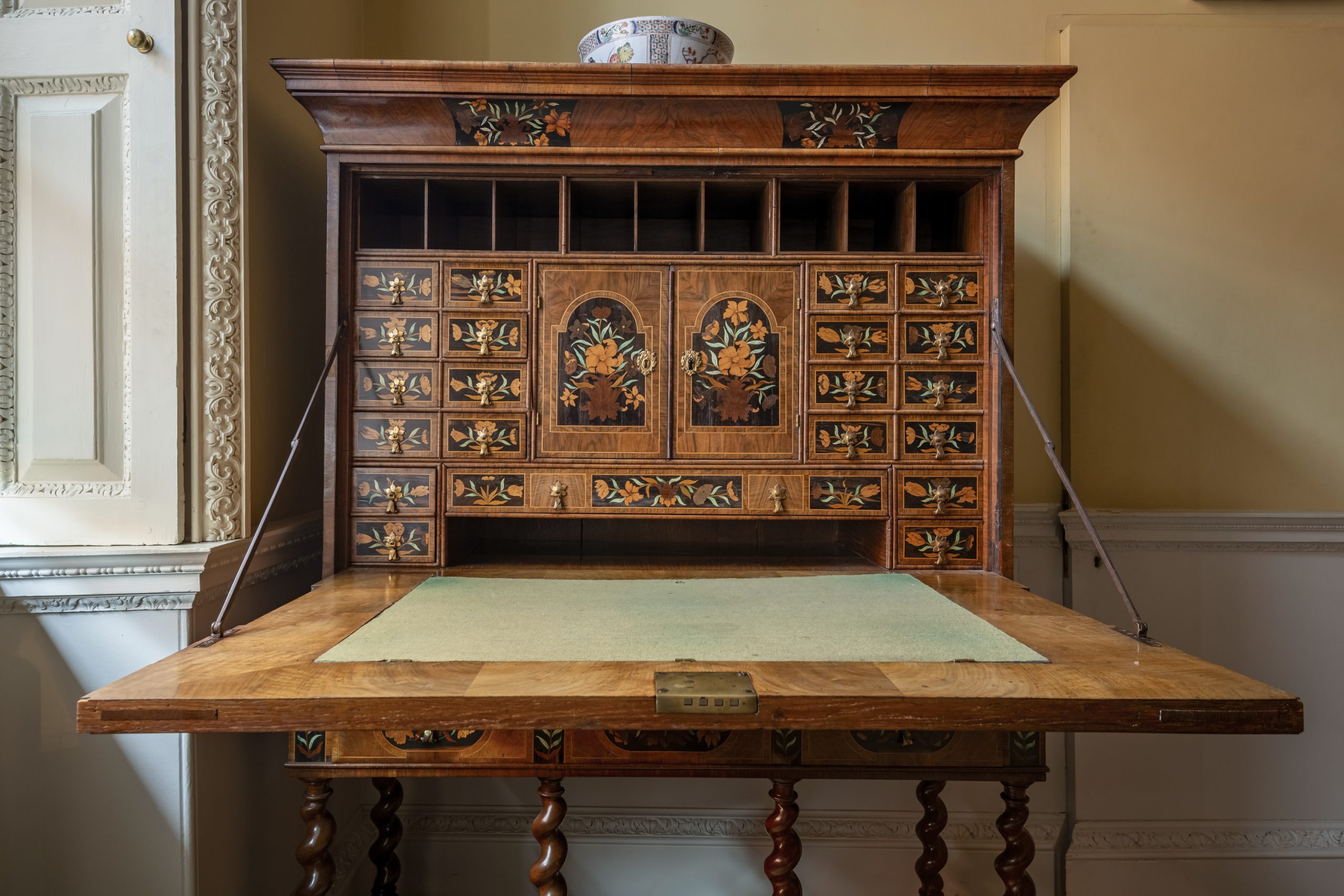
Largely comprised from the Noel Terry bequest, the furniture collection includes examples by some of the foremost names in cabinet-making, including Thomas Chippendale, William Vile – cabinetmaker to King George III – and John Gordon. Other pieces, whilst not attributed to the Chippendale workshop, are clearly inspired by his ‘The gentleman and cabinet-maker’s Director’, illustrating the connections to Chippendale’s seminal designs and their influence and translation throughout the country amongst other cabinet-makers.
In 2005 John Butler gave almost his entire collection of eighteenth-century glass to York Civic Trust for use in Fairfax House. This lifetime gift contained over 400 pieces and was the result of 30 years of dedicated collecting. It contains a huge selection of unique and delicate pieces, showcasing a wide variety of glass-making techniques.
Two examples of early musical instruments can be found at Fairfax House. A walnut and mahogany spinet (1769) by John Kirsham of Manchester and an inlaid mahogany square piano (1792) by Thomas Haxby of York. Haxby, one of the most important provincial instrument makers, was born in York in 1729 and died there in 1796.
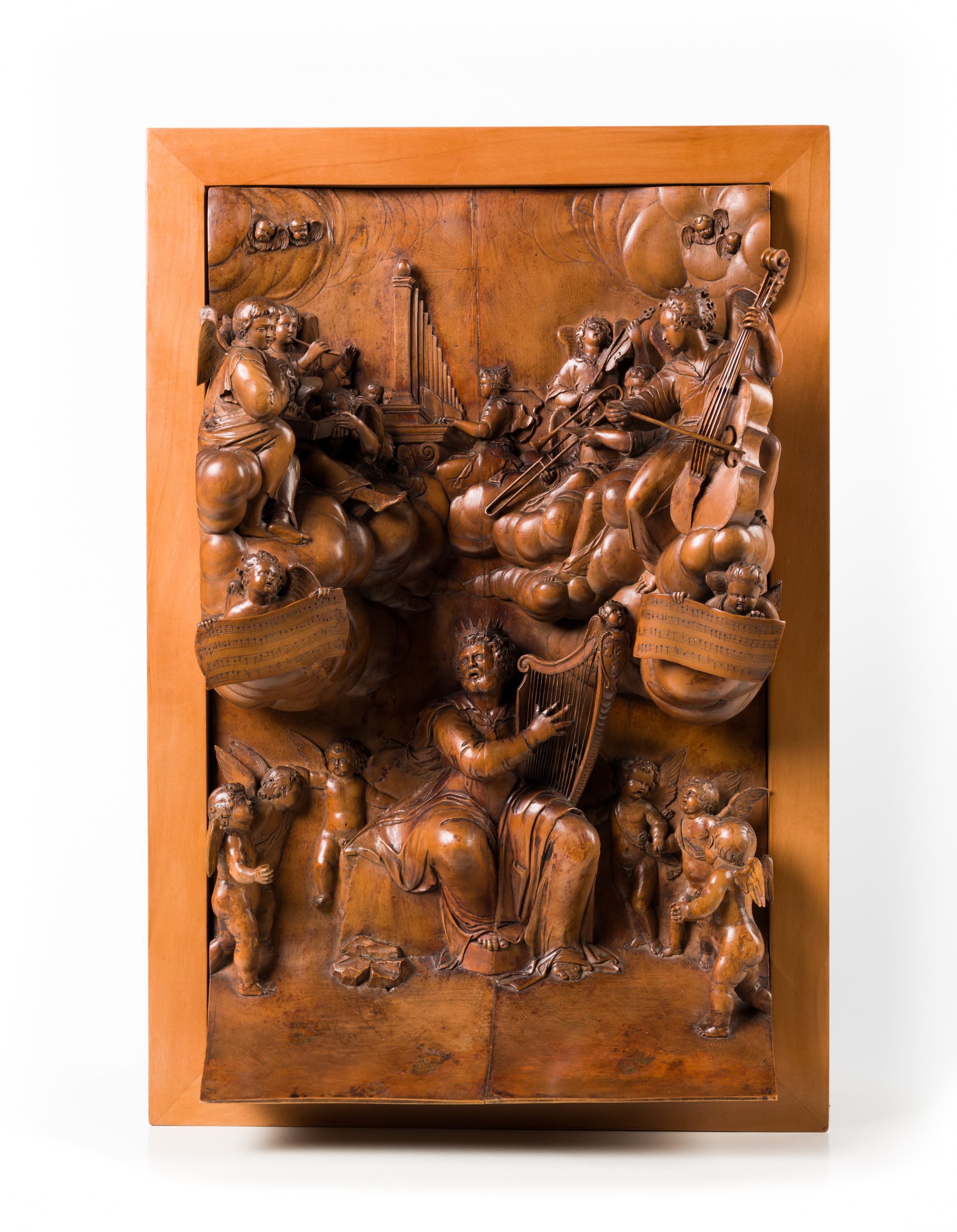
At the heart of the collection sits the King David Panel, a high relief sculpture by Grinling Gibbons. His earliest known and only surviving piece made during his time as a journeyman in York, c1660-1670, this object was saved for the nation by Fairfax House in 2017 following a public fundraising campaign.
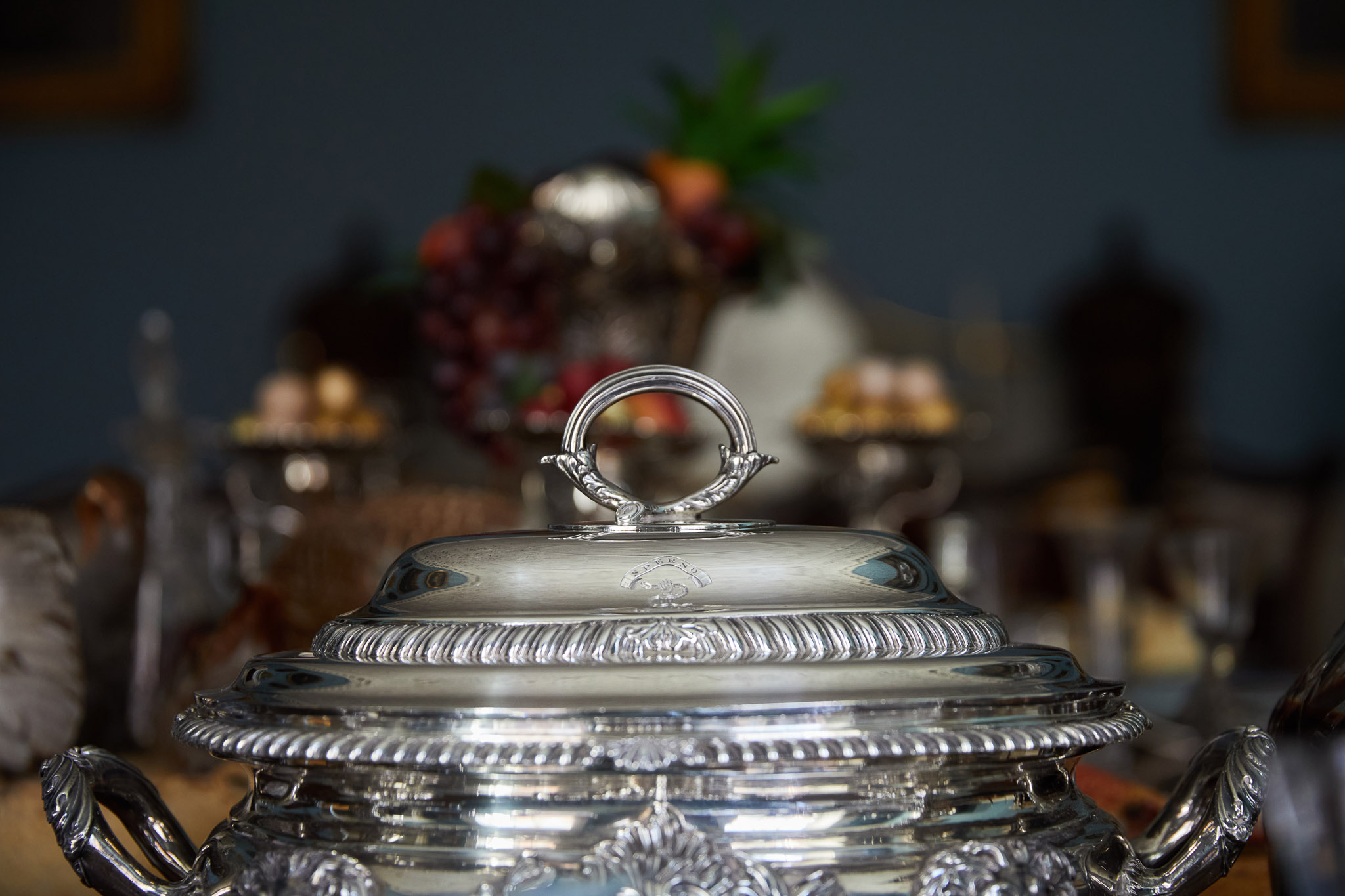
Reflecting the collecting habits of the Fairfaxes, and assisted by the generous bequest of Leslie Bootham and Arthur Smallwood, York Civic Trust has created a collection of silver representing prominent silversmiths of the eighteenth century.
On display are examples of pieces by William Cripps, Daniel Smith and Paul de Lamerie, as well as Frederick Kandler, a catholic London silversmith patronised by Lord Fairfax.