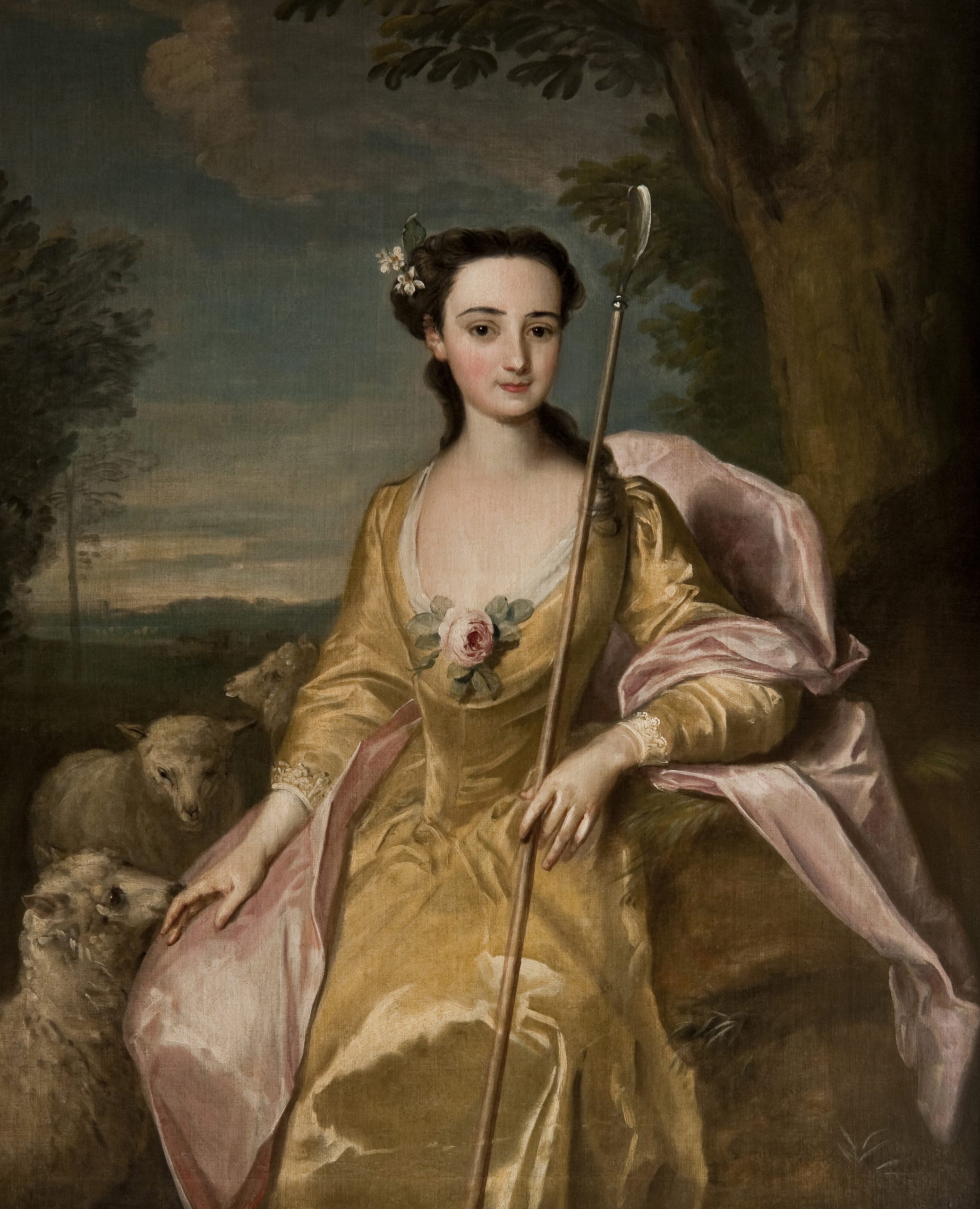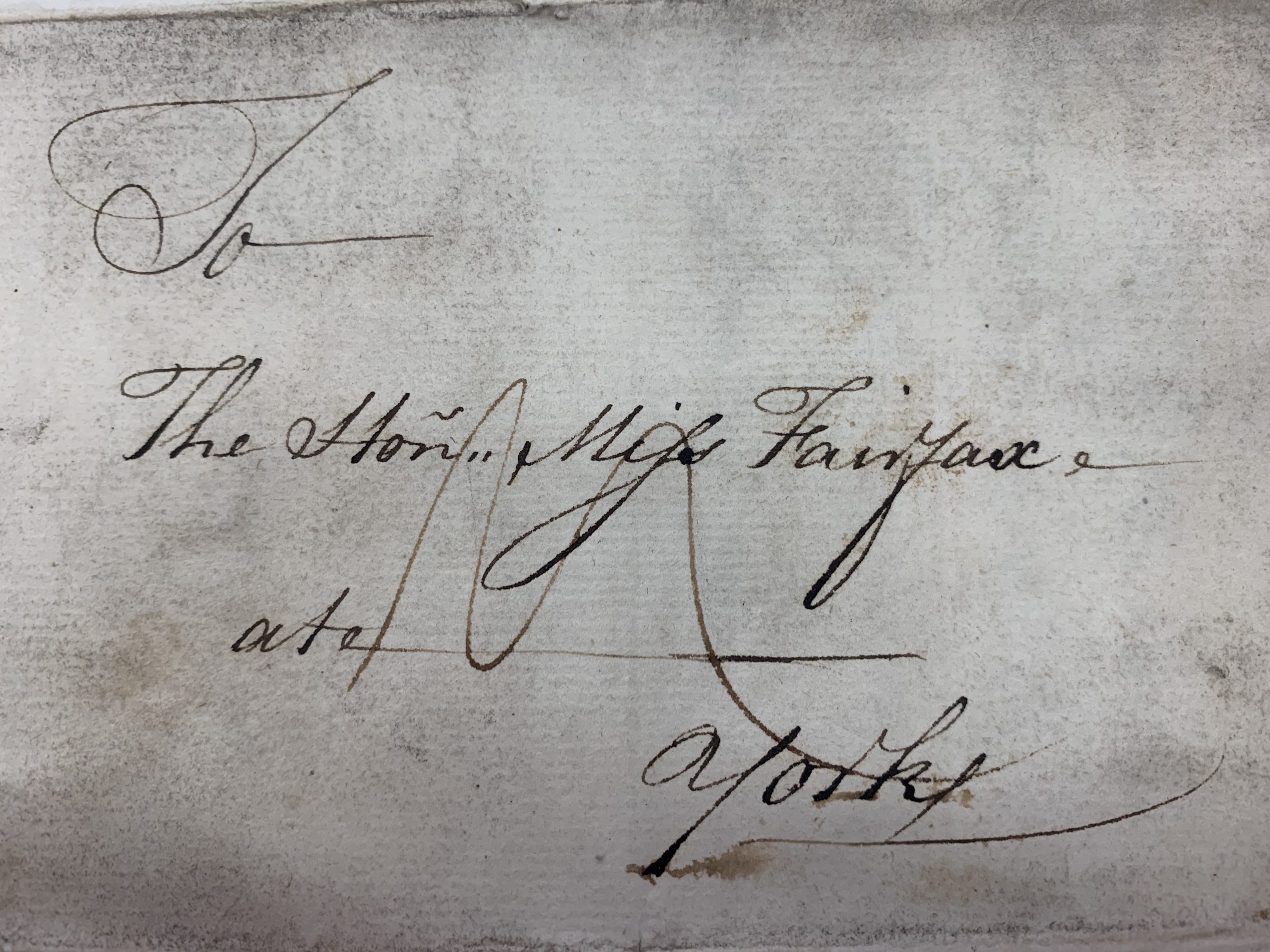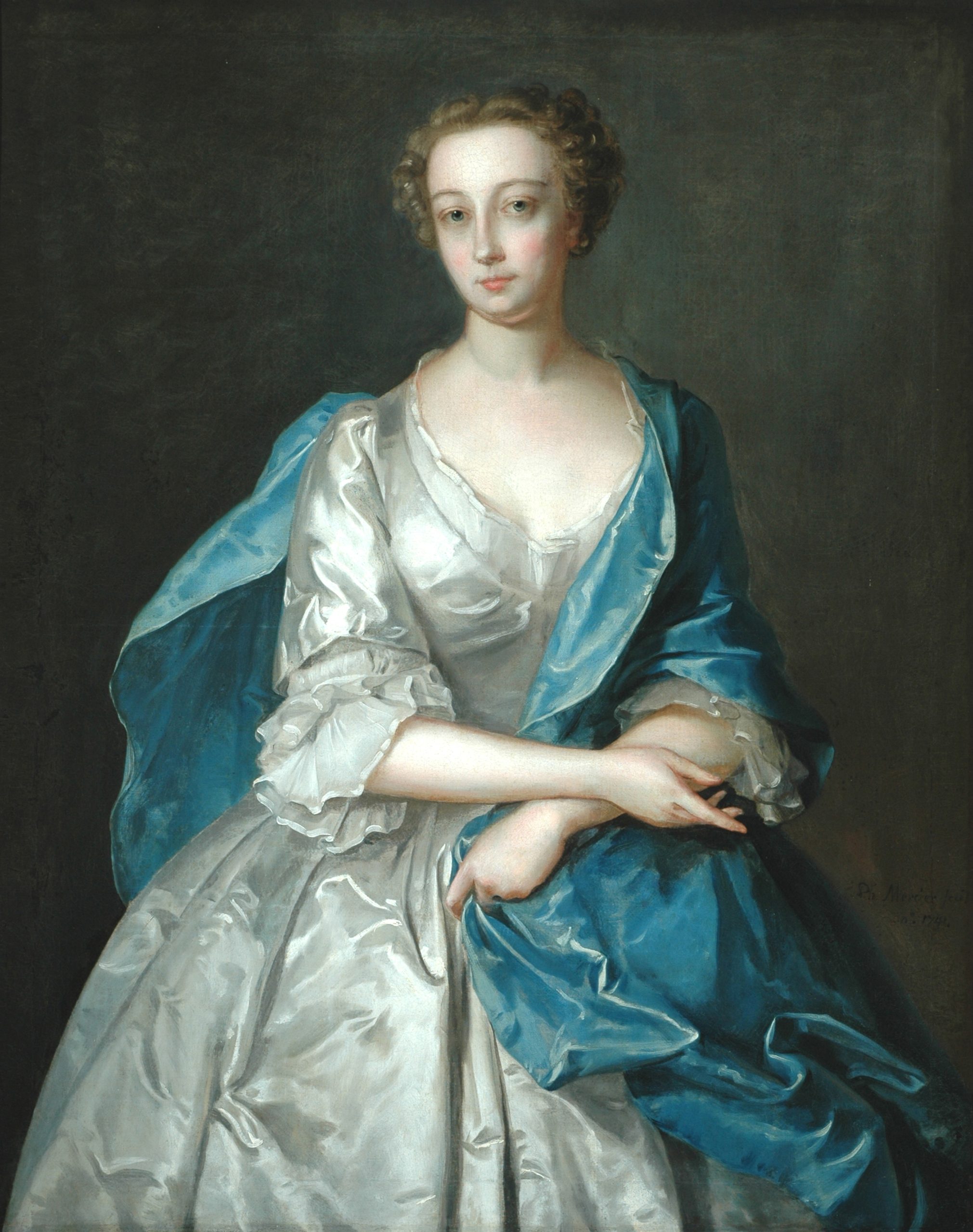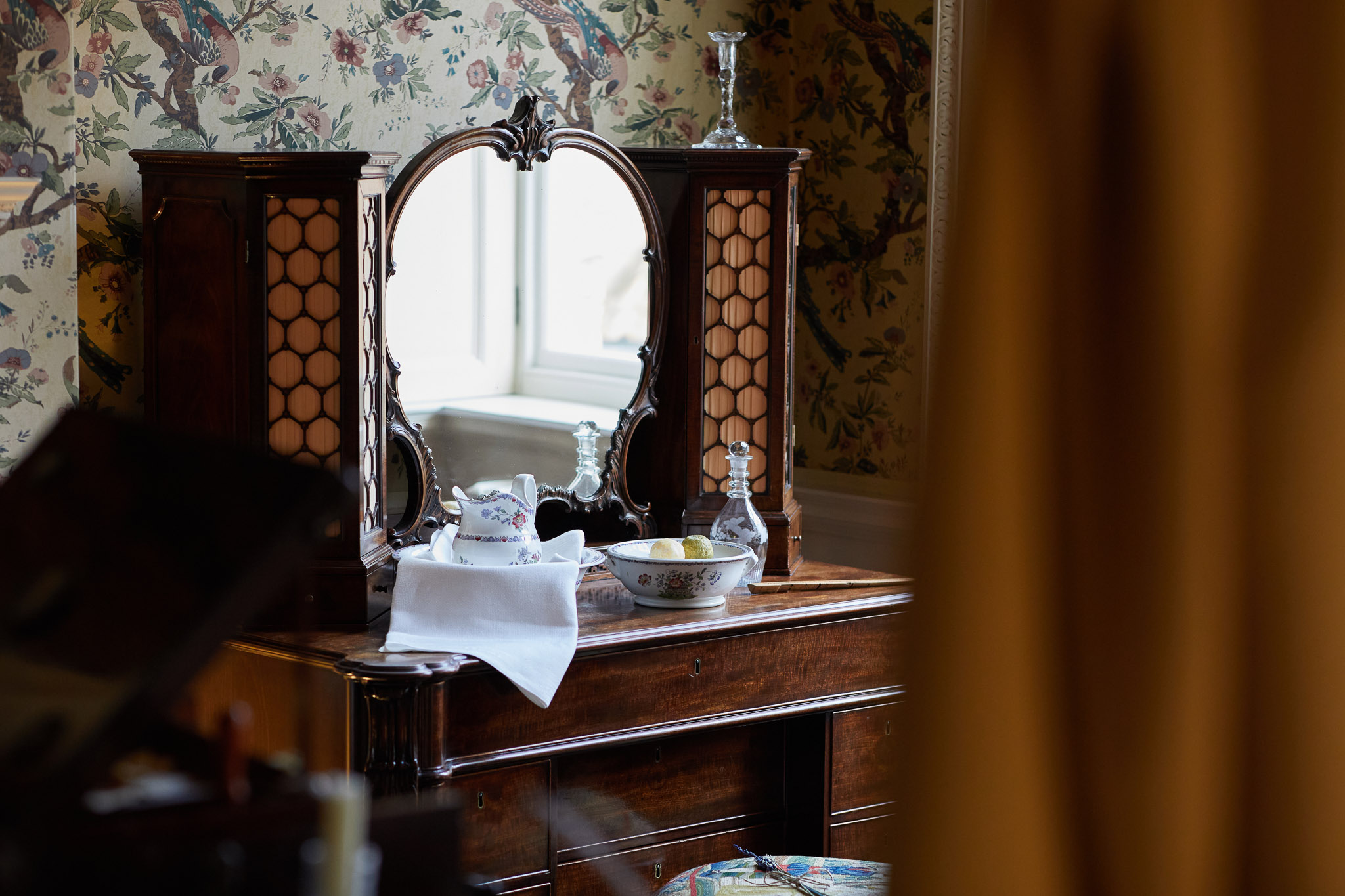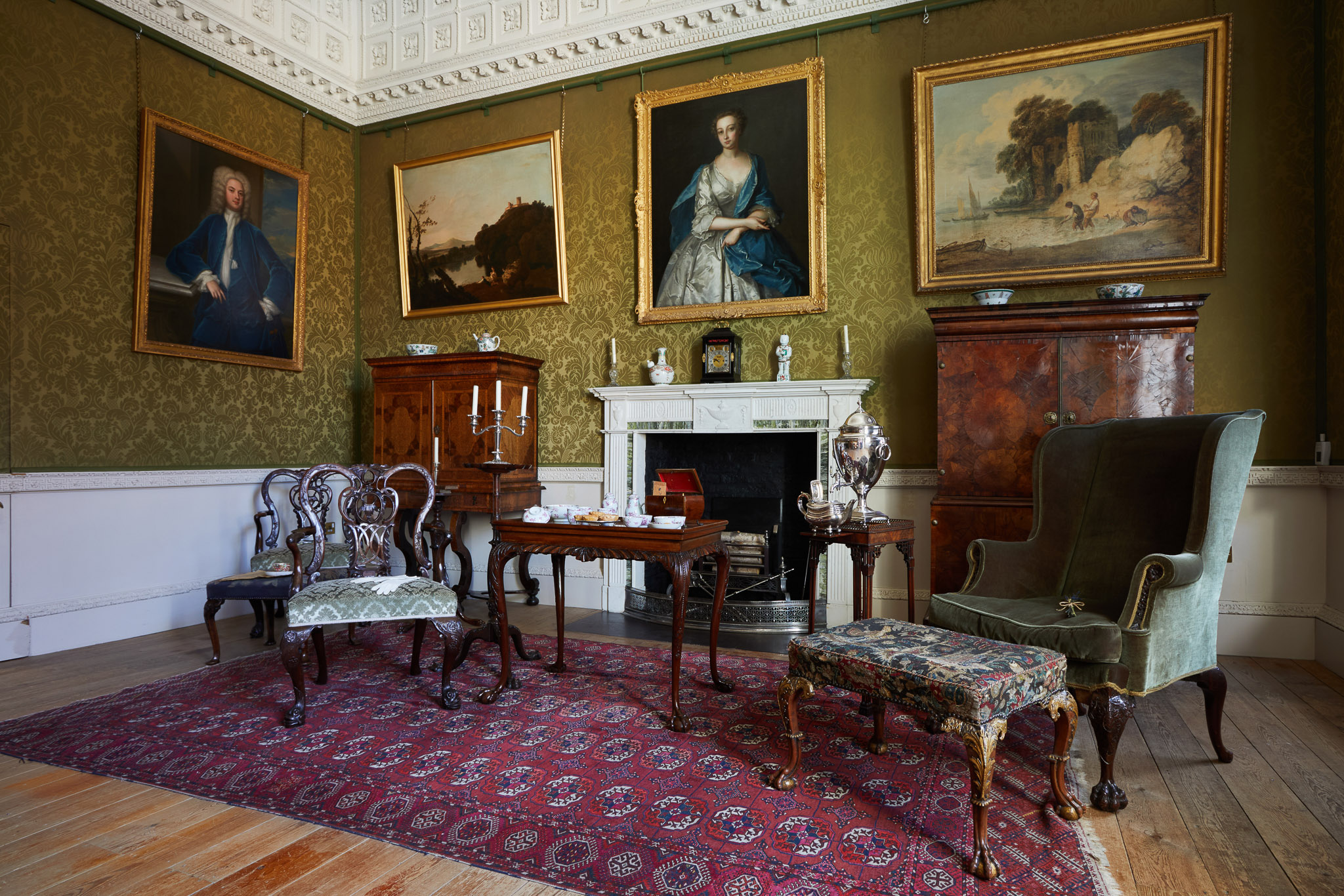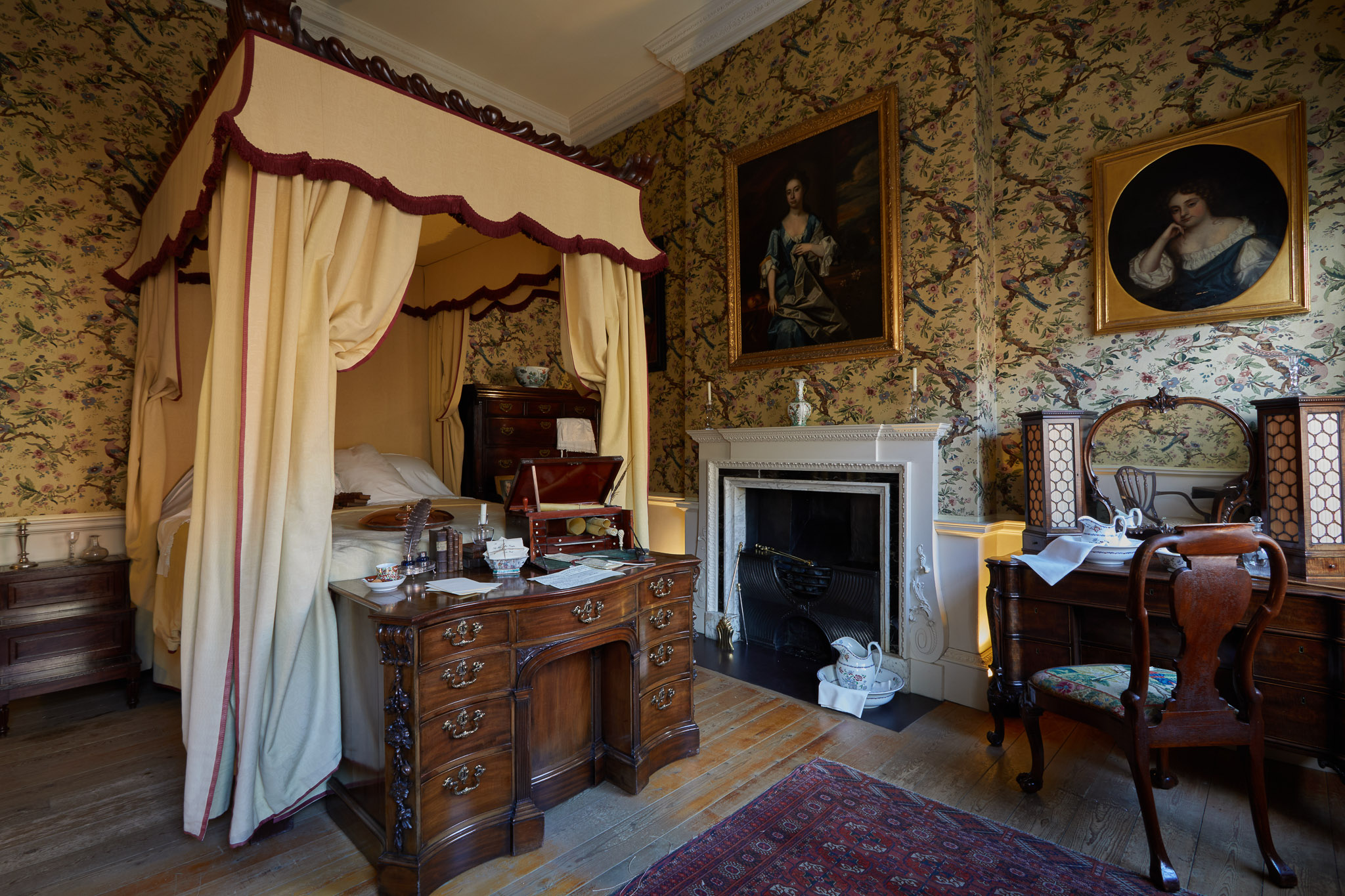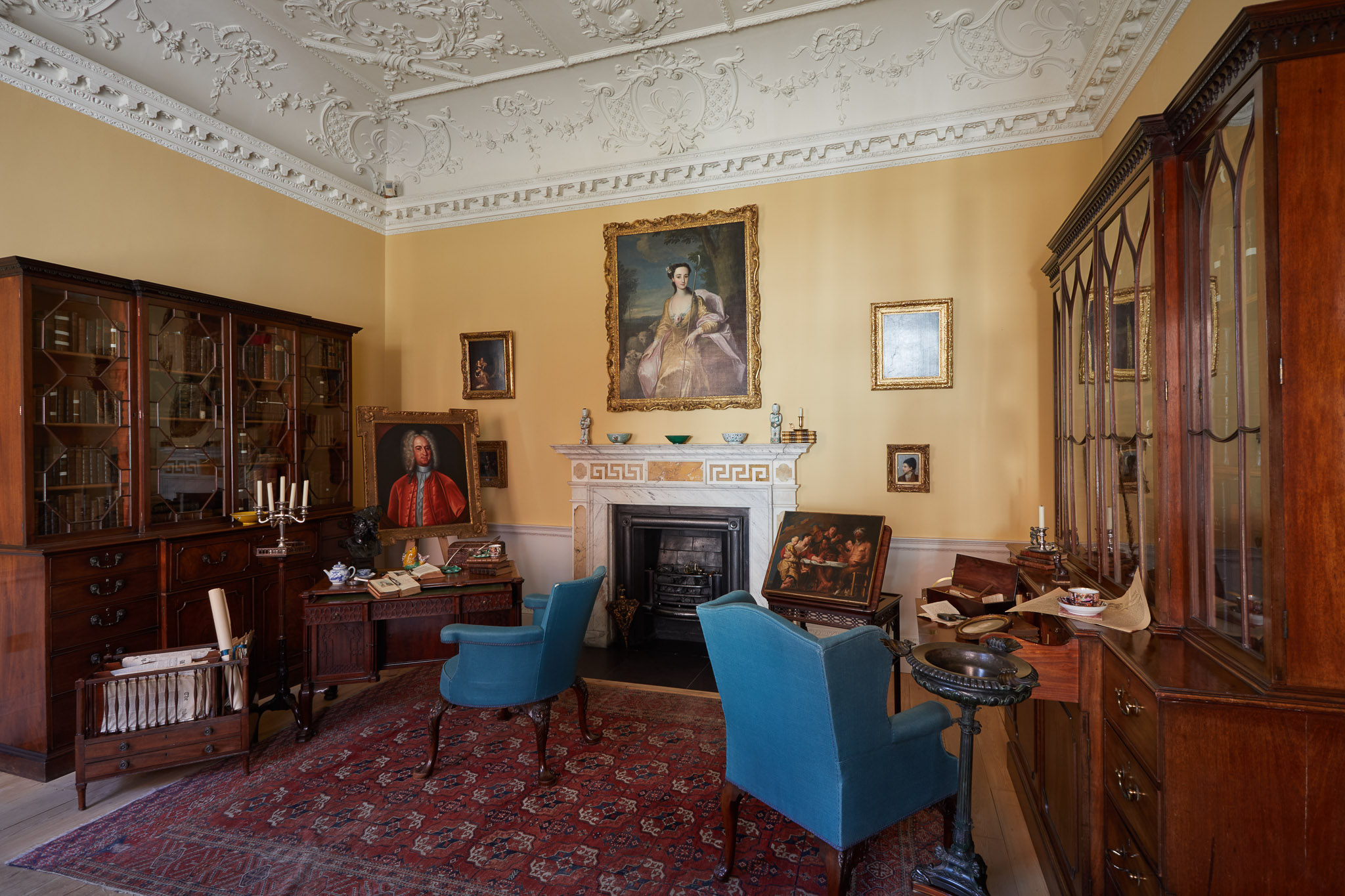

Did you know that Fairfax House was owned by a rather remarkable woman?
Dismissed by society as a spinster and sidelined as incompetent due to her struggles with mental health, Ann’s story highlights the trials and tribulations faced by unmarried Catholic women in the eighteenth century.
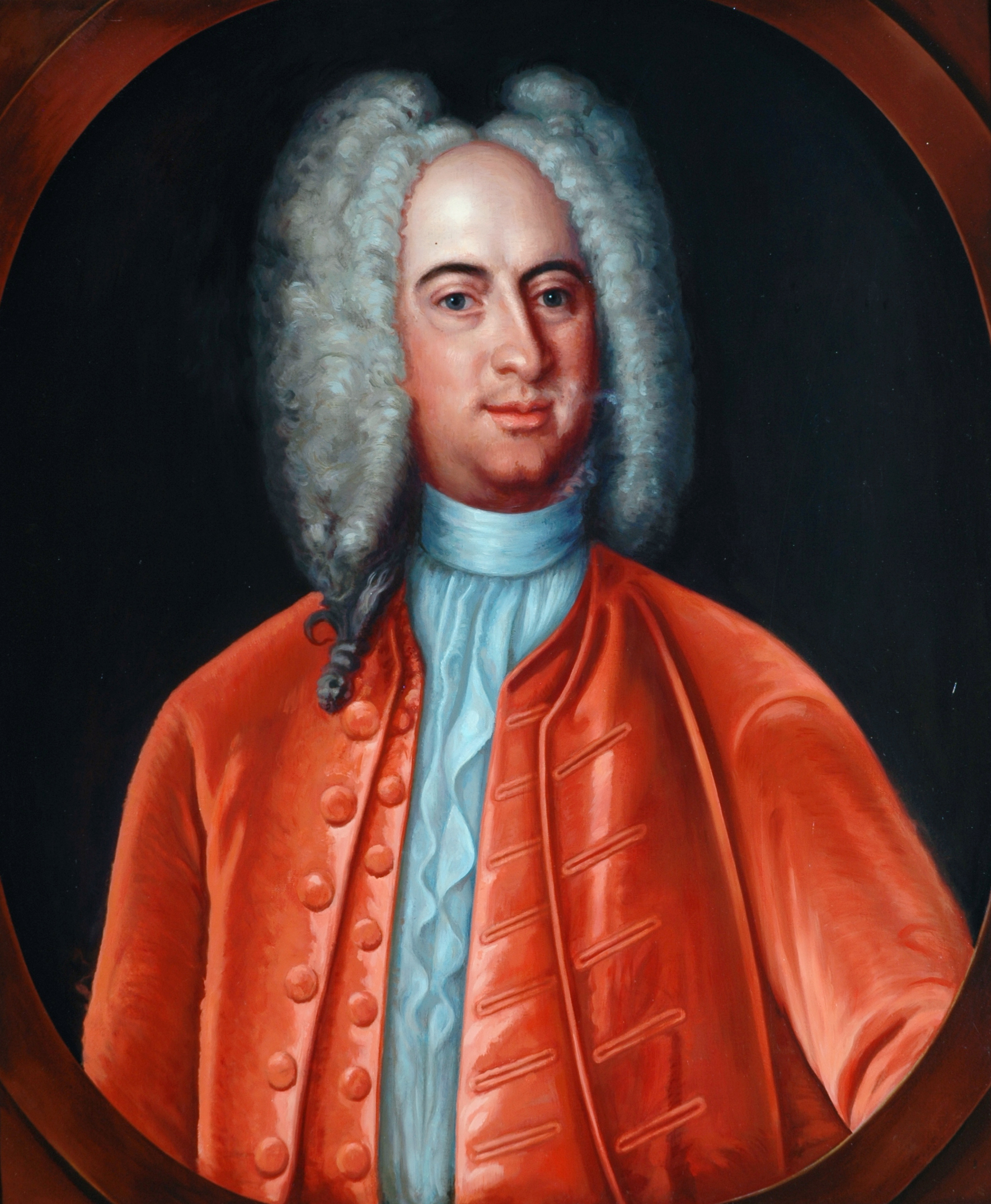
Born in 1726 to Charles Gregory Fairfax, later 9th Viscount of Emley, and his wife Mary, Ann was the third of nine children. Tragedy struck the family, and by 1753 only Ann and her father were living. All of her siblings had died in childhood, leaving Ann as the heir to the prosperous Fairfax estates of Gilling, Coulton and Ampleforth.
Around 1758-59 Viscount Fairfax purchased Fairfax House, and the property was put into Ann’s name. At the time she was thirty five years-old, unmarried and without heirs.
For almost 15 years, Ann’s townhouse on Castle-hill provided the ideal location from which to enjoy the vibrant social and cultural life York had to offer. The Fairfaxes were avid attendees of the races, subscribers of the Assembly Rooms and regularly entertained other Catholic families.
Then in 1772, Viscount Fairfax passed away and Fairfax House was sold by Ann the following year. As the Viscount did not leave a Will, Ann inherited the task of managing the entirety of the family’s substantial lands and wealth. Many thought her incapable of the task – including her own family.
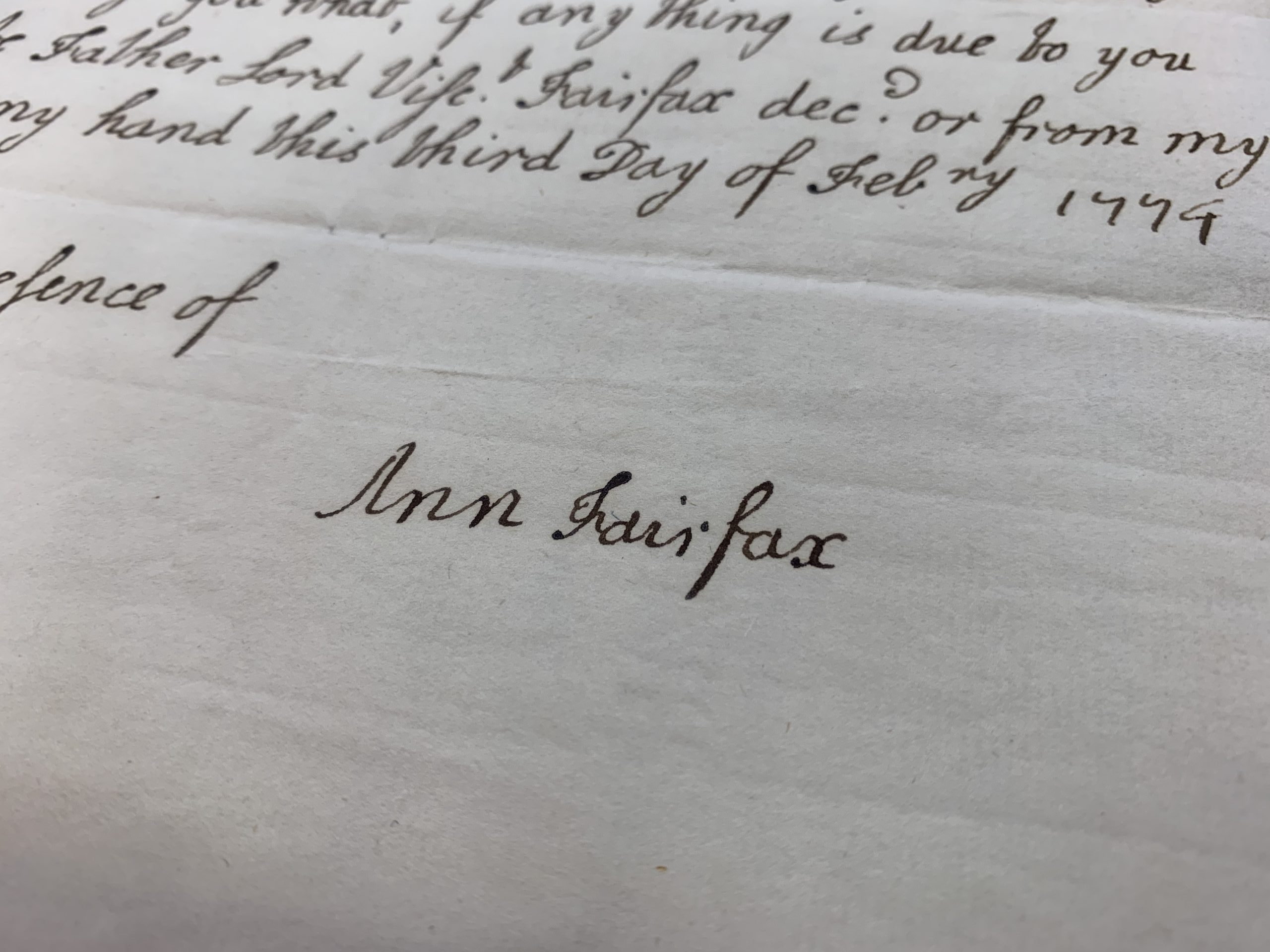
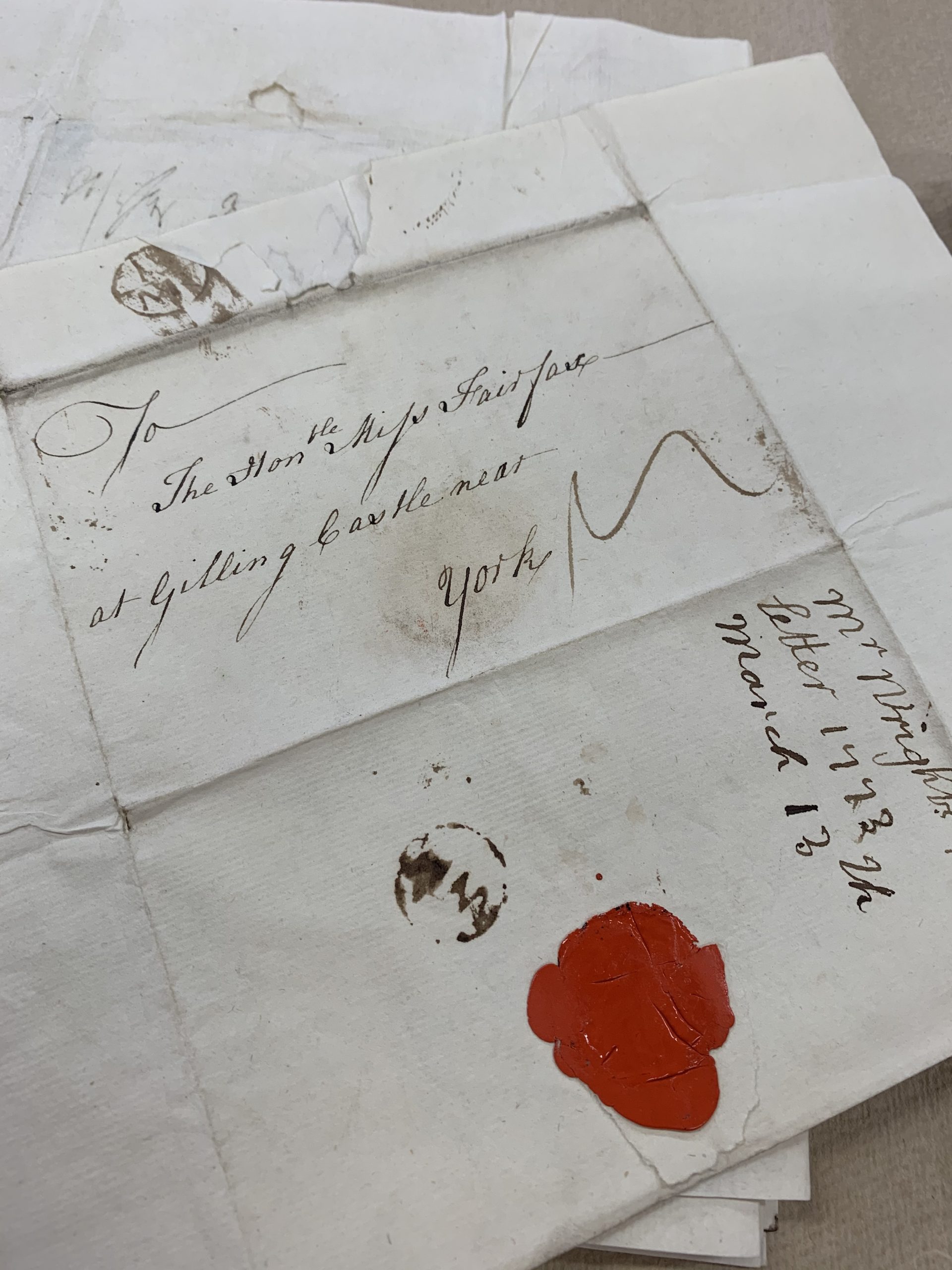
Ann however was tenacious in securing her fortune, taking on her male cousins in a series of legal battles to ensure she was in control of her own inheritance. For 6 years she persevered against all odds, displaying a strength of character she has rarely been afforded and proving her to be a capable woman in charge of her own destiny.
History has not been kind to Ann. Writers have interpreted her struggles with depression as ‘hysterical’, her singleness because ‘marriage was alien to her nature’ and her character ‘unpredictable’ and ‘chronically indecisive’.
However, records show that she ably managed her family’s estates after the passing of her father, stayed steadfastly committed to her Catholic faith in the face of considerable intolerance, and battled her ‘melancholic imaginations’ with fortitude and grit.
You can visit Fairfax House to find out more about her story.