Fairfax House has witnessed countless vibrant and varied stories over its rich 250-year history.
Following its sale in 1772 by Ann Fairfax, Fairfax House continued to be used as a residence by various private owners until 1865, when it was converted into a gentleman’s club.
In the early 20th century, plans were made to convert Fairfax House and the adjourning building into a cinema and dancehall. Many in York can still remember St George’s Cinema, which was advertised as the largest and most up-to-date cinema in York.
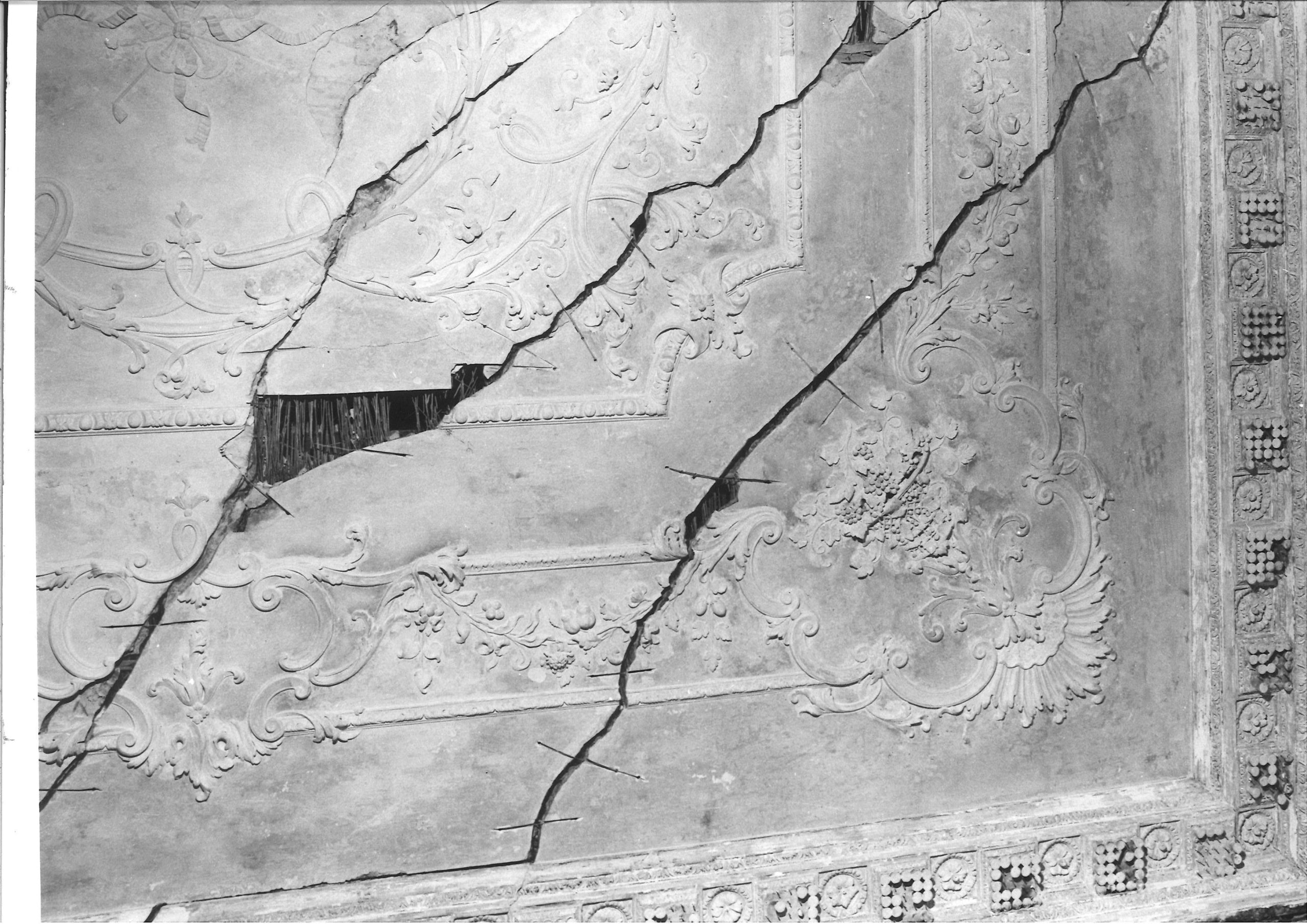
The cinema company was urged to preserve the original interiors of the house as much as possible. They boxed in, rather than stripped out, and painted over the ceiling and woodwork in dark gloss paint. This helped to protect many of the Georgian decorative details from damage.
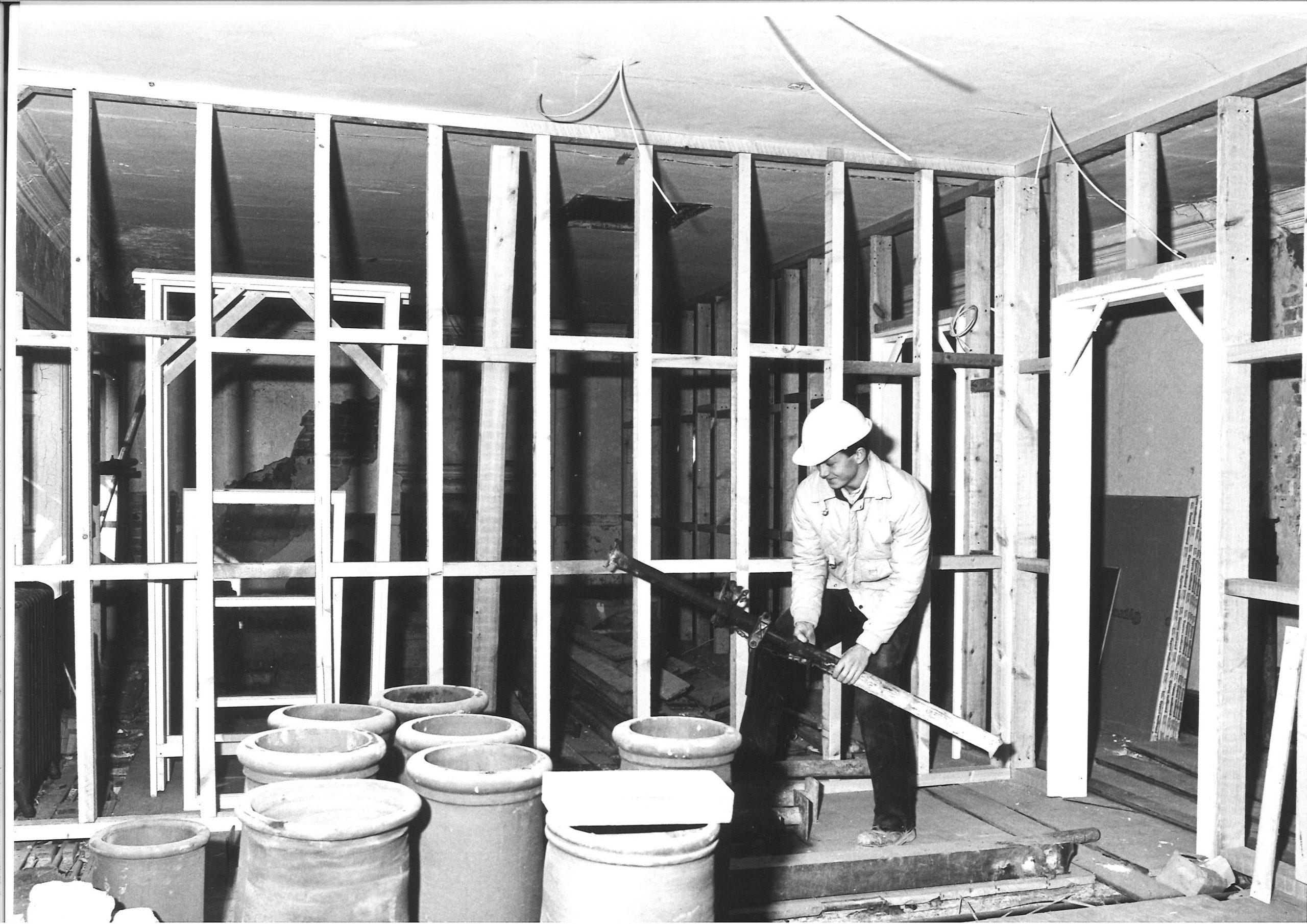
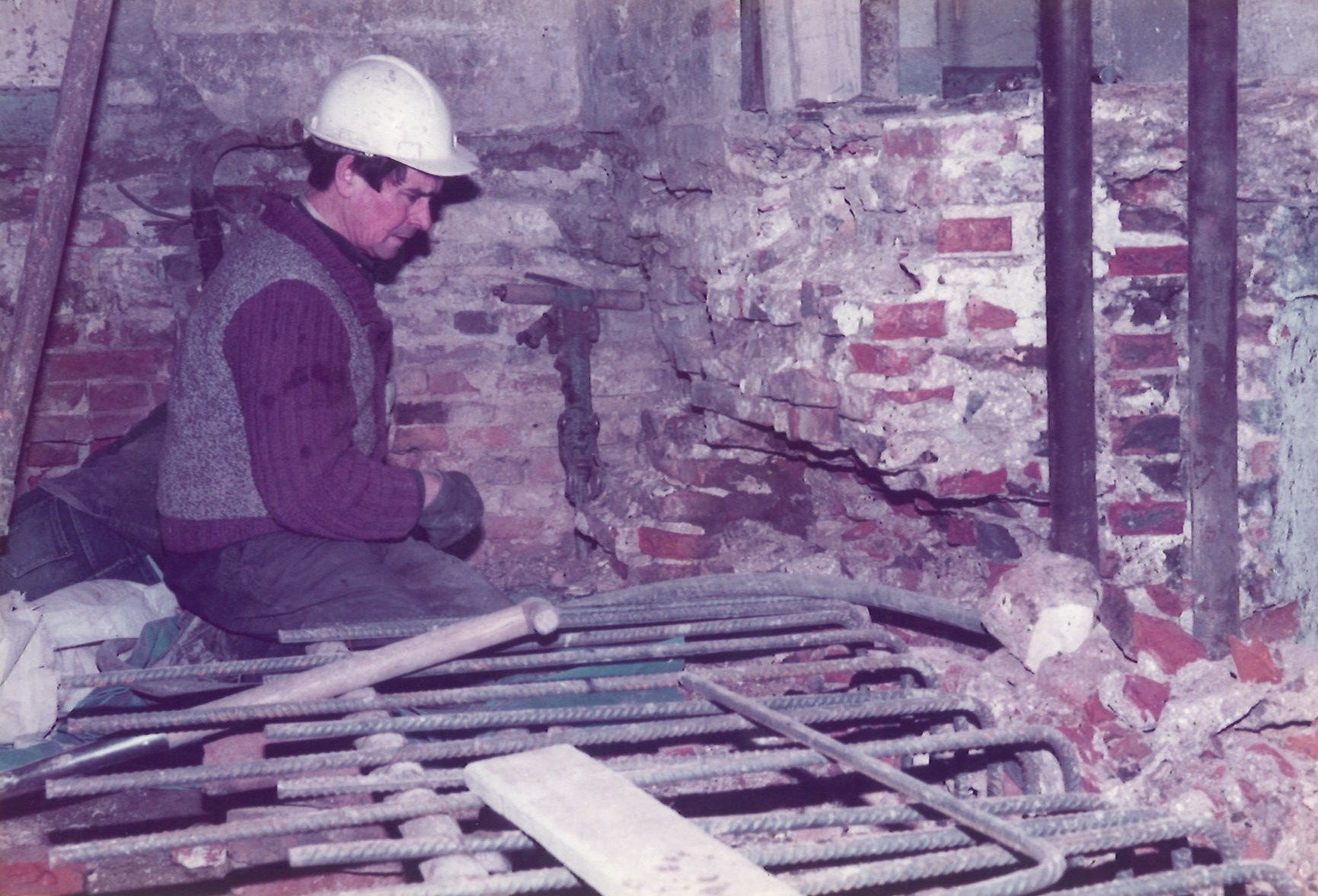
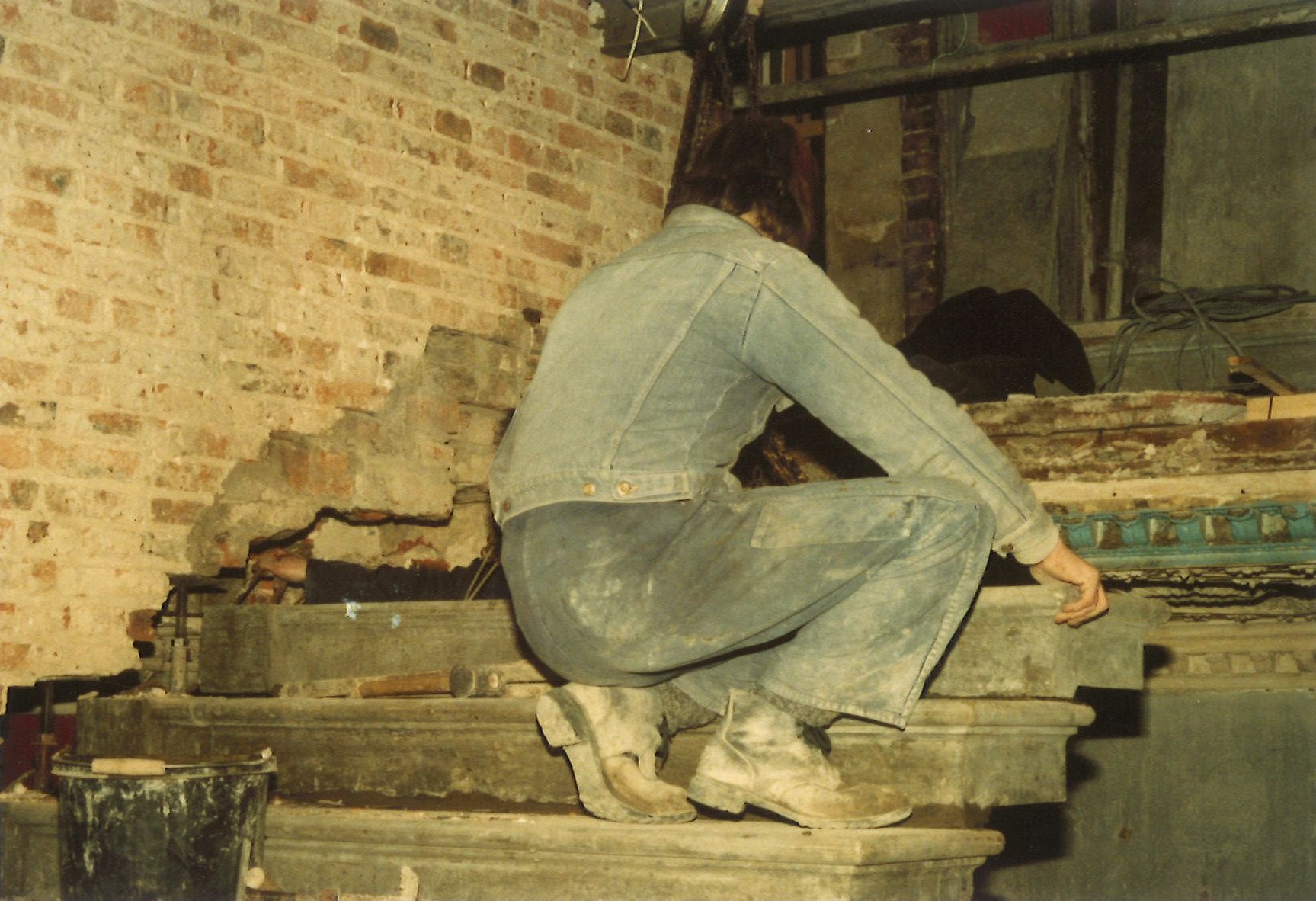
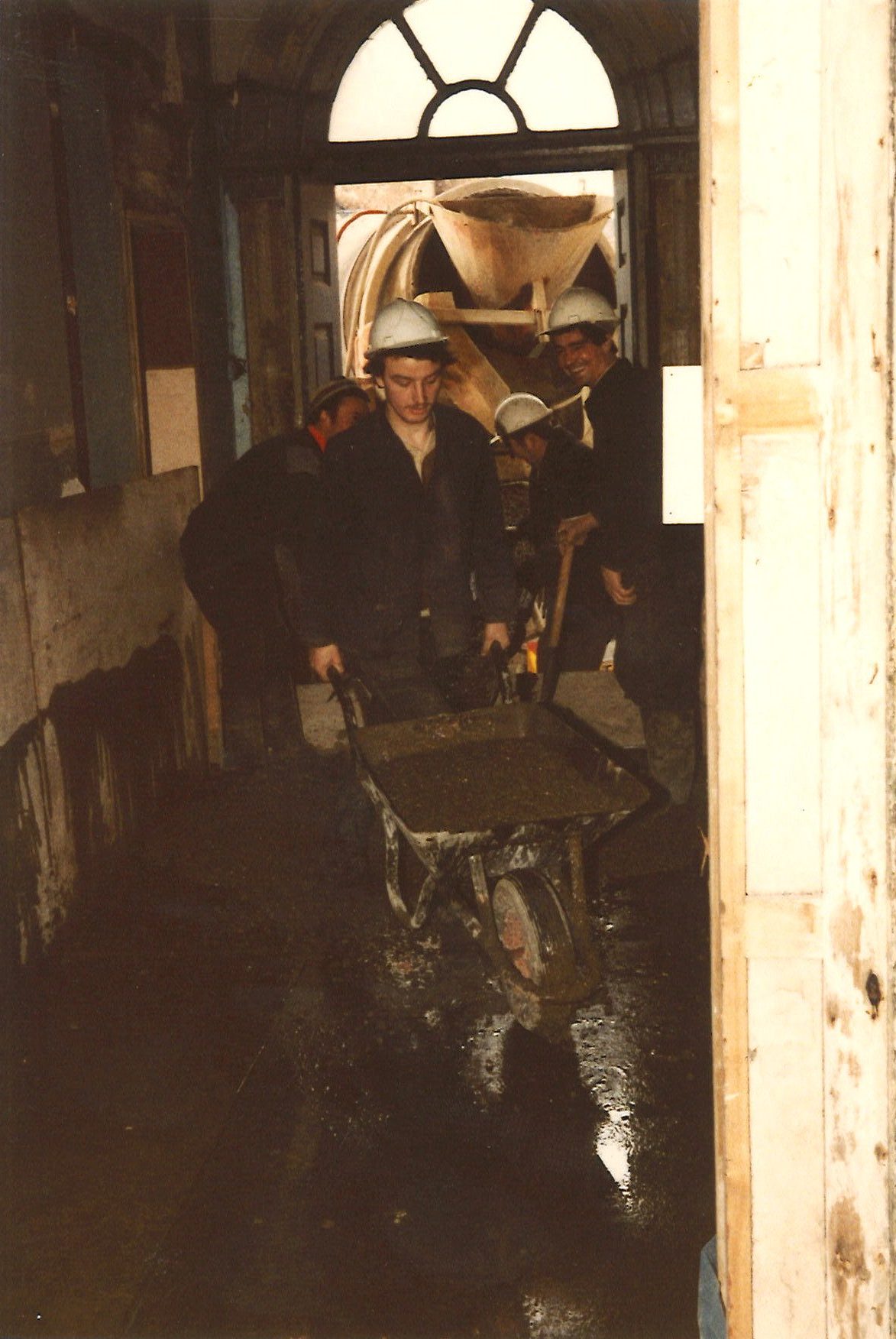
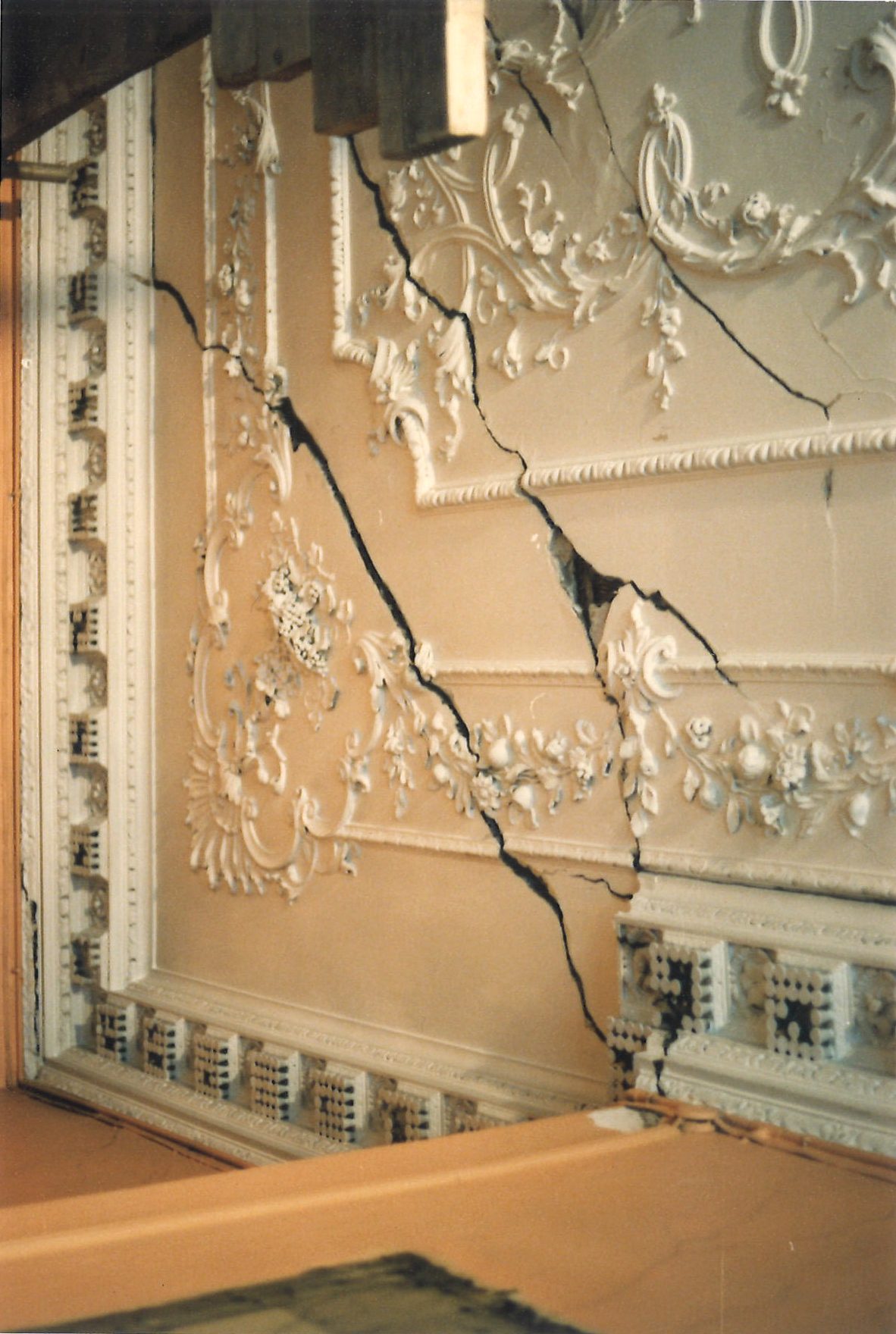
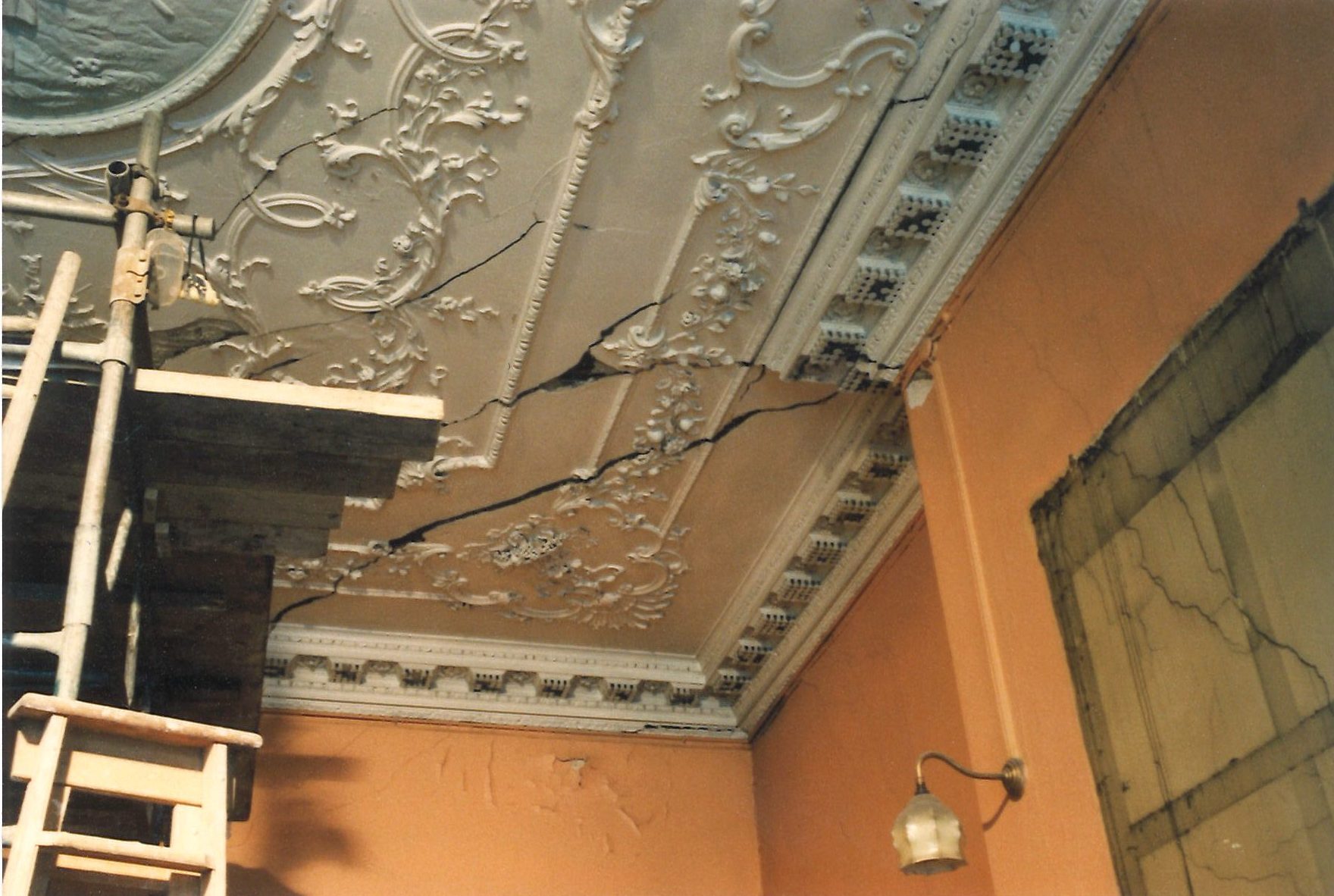
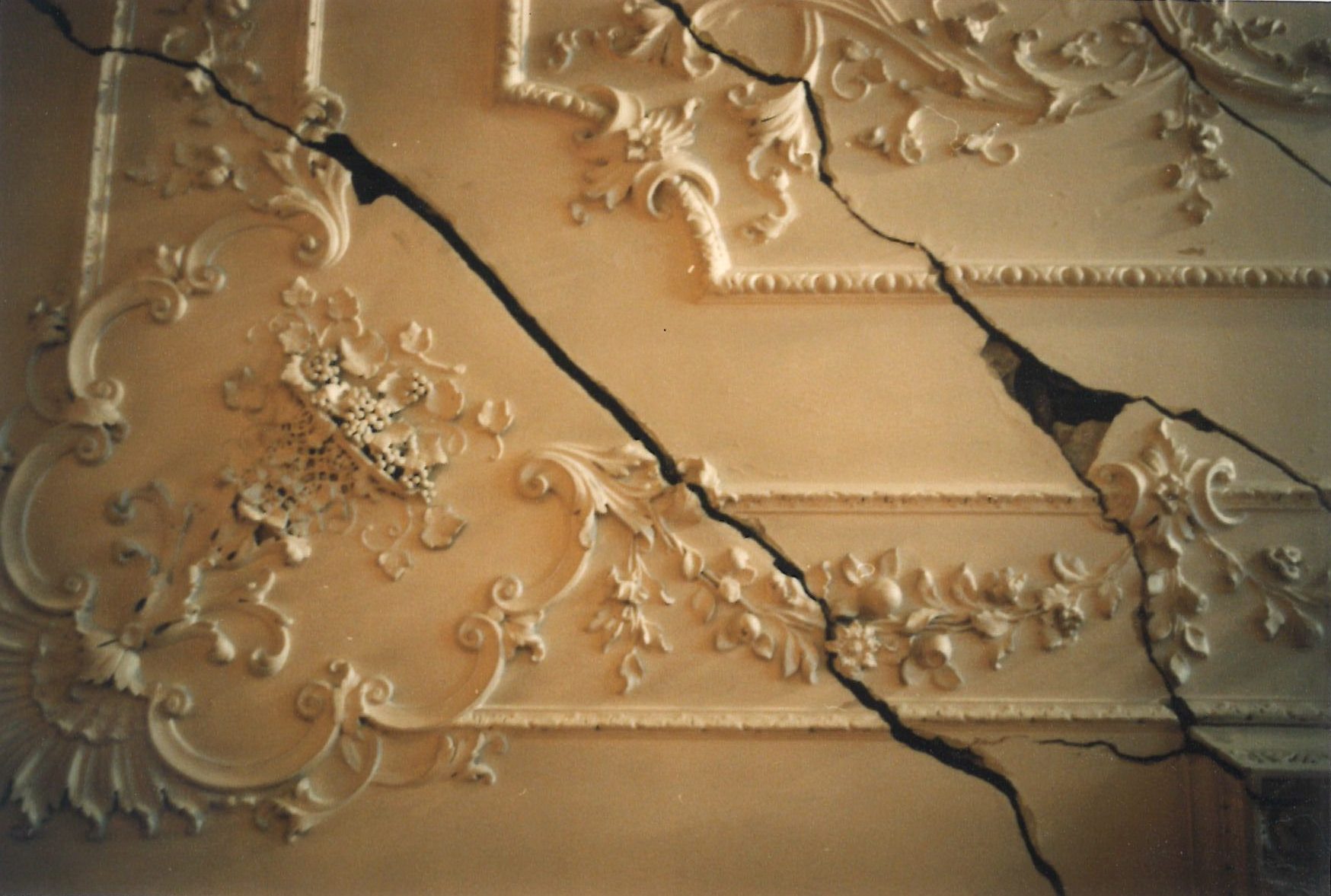
By the 1980s, both the cinema and dancehall had closed down and Fairfax House stood empty. The future of the building was uncertain, until York Civic Trust invested over £2,000,000 in today’s money into a groundbreaking transformation to return Fairfax House to its once-legendary splendour.
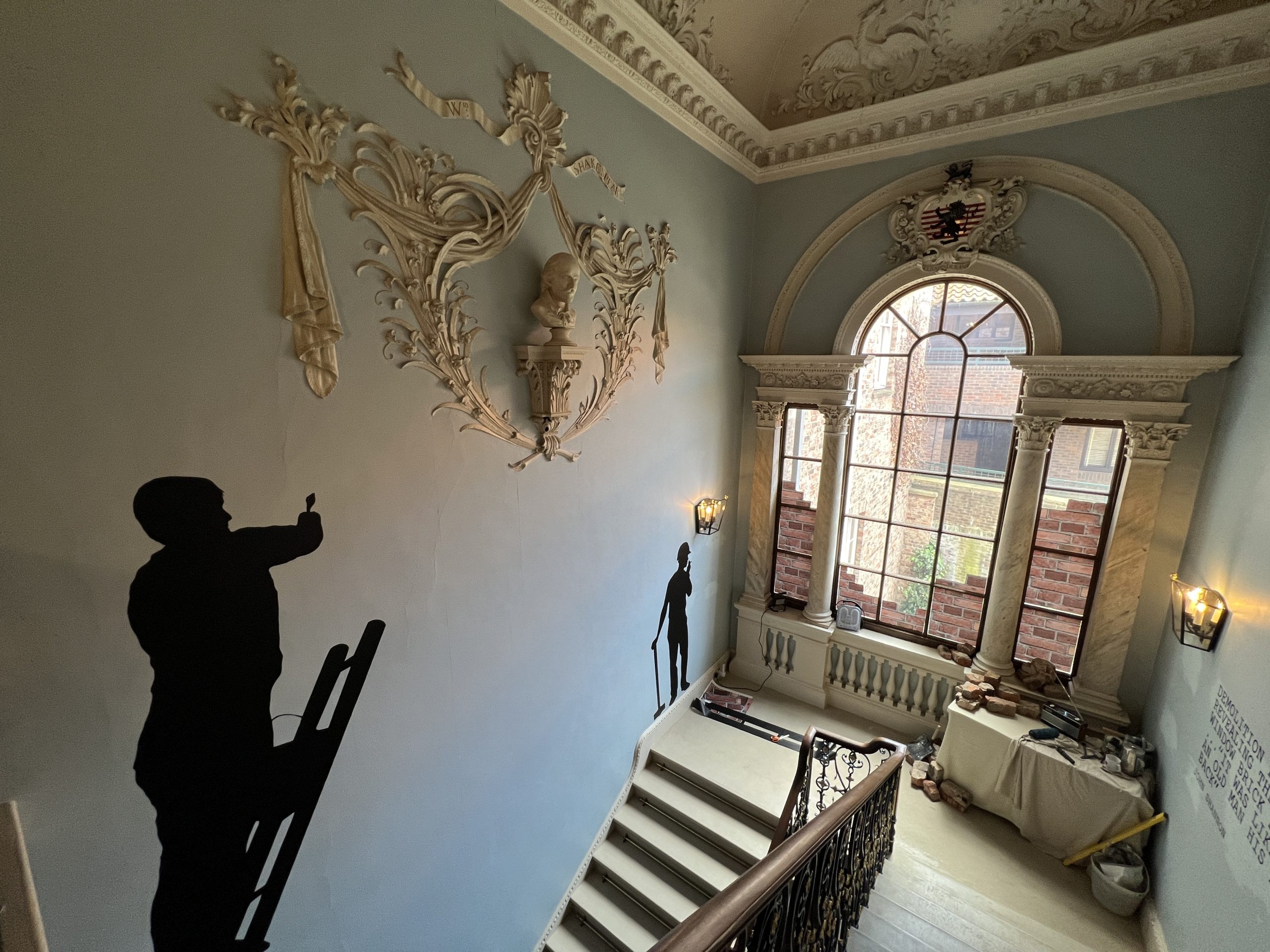
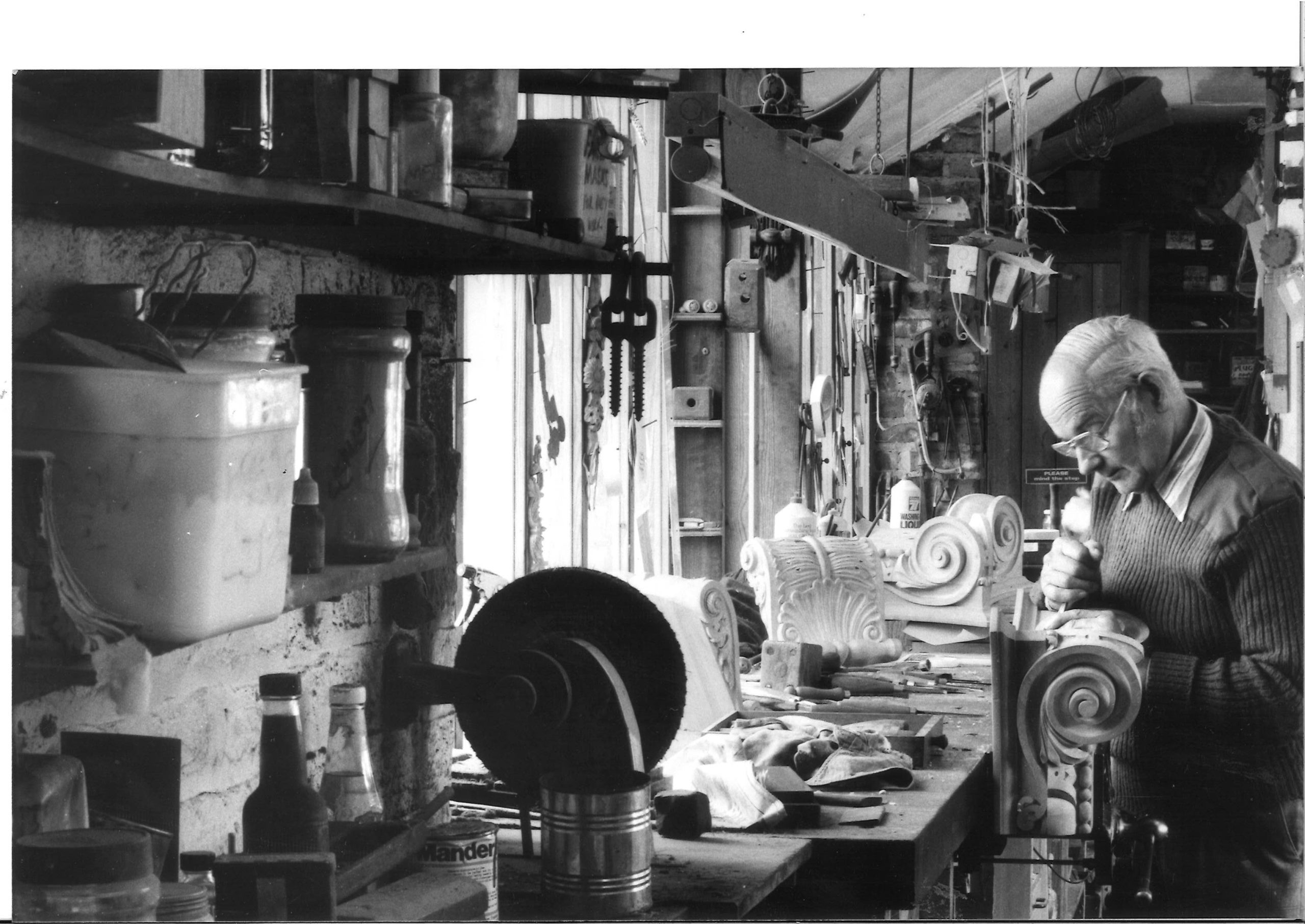
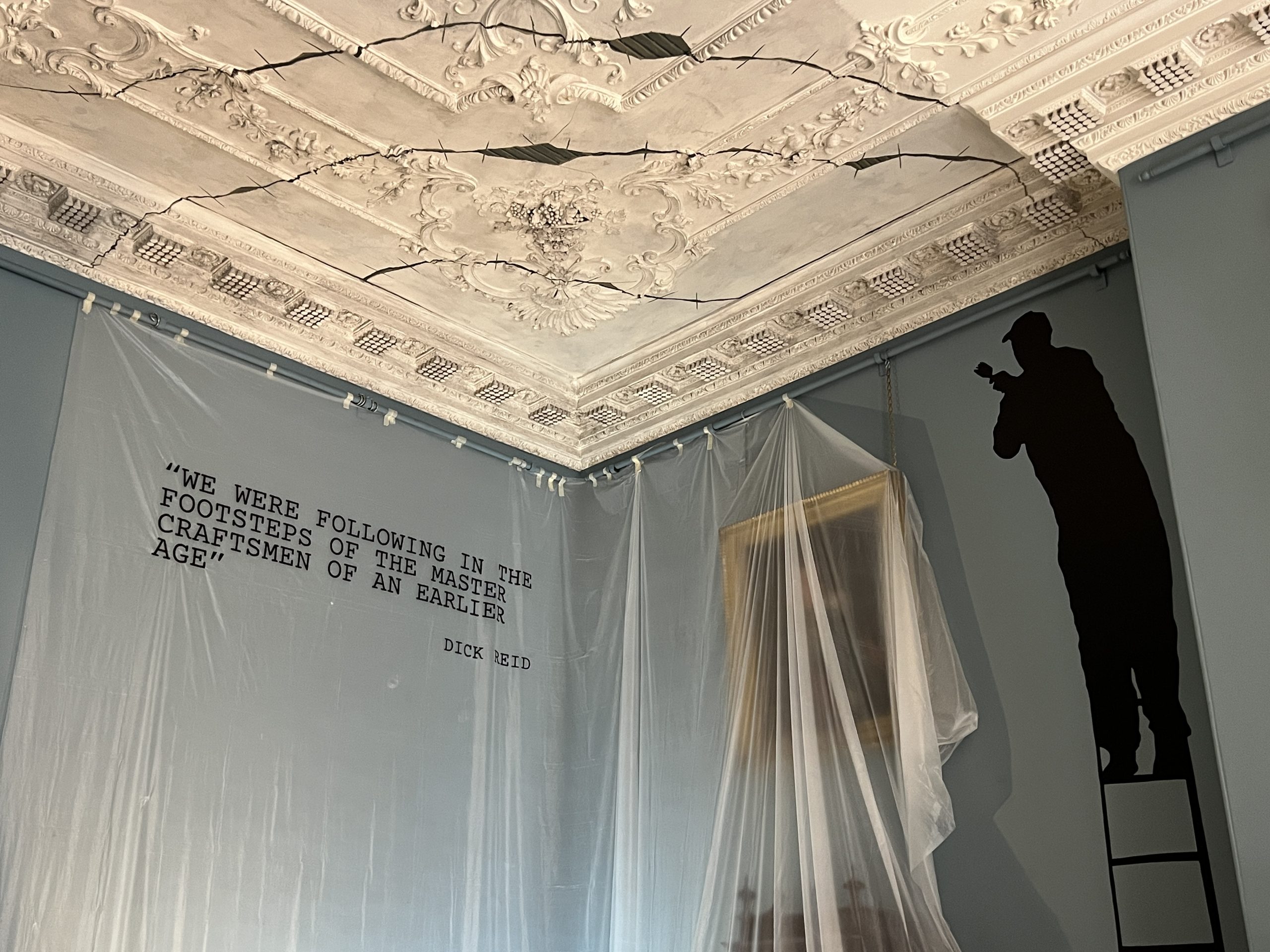
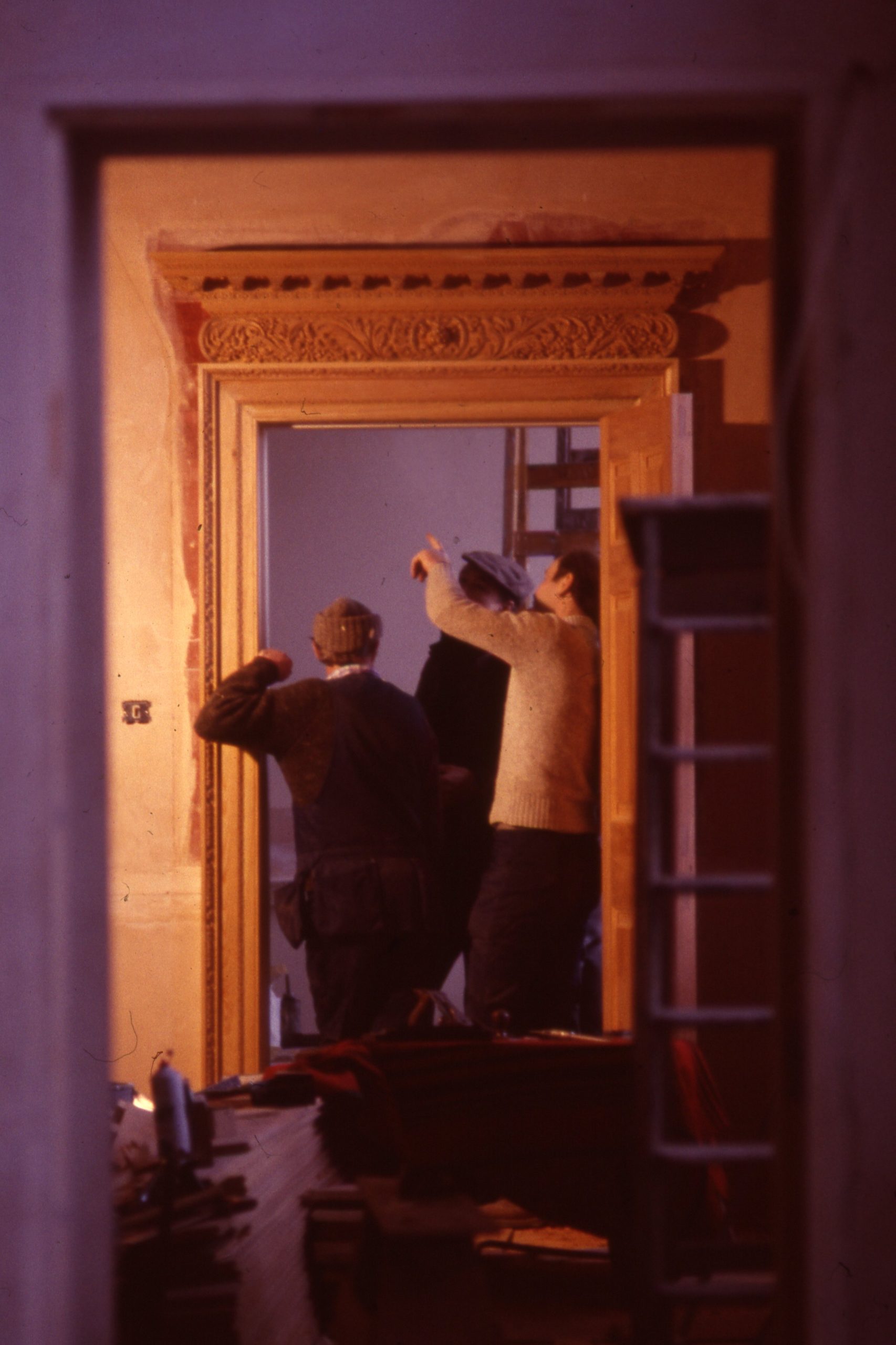
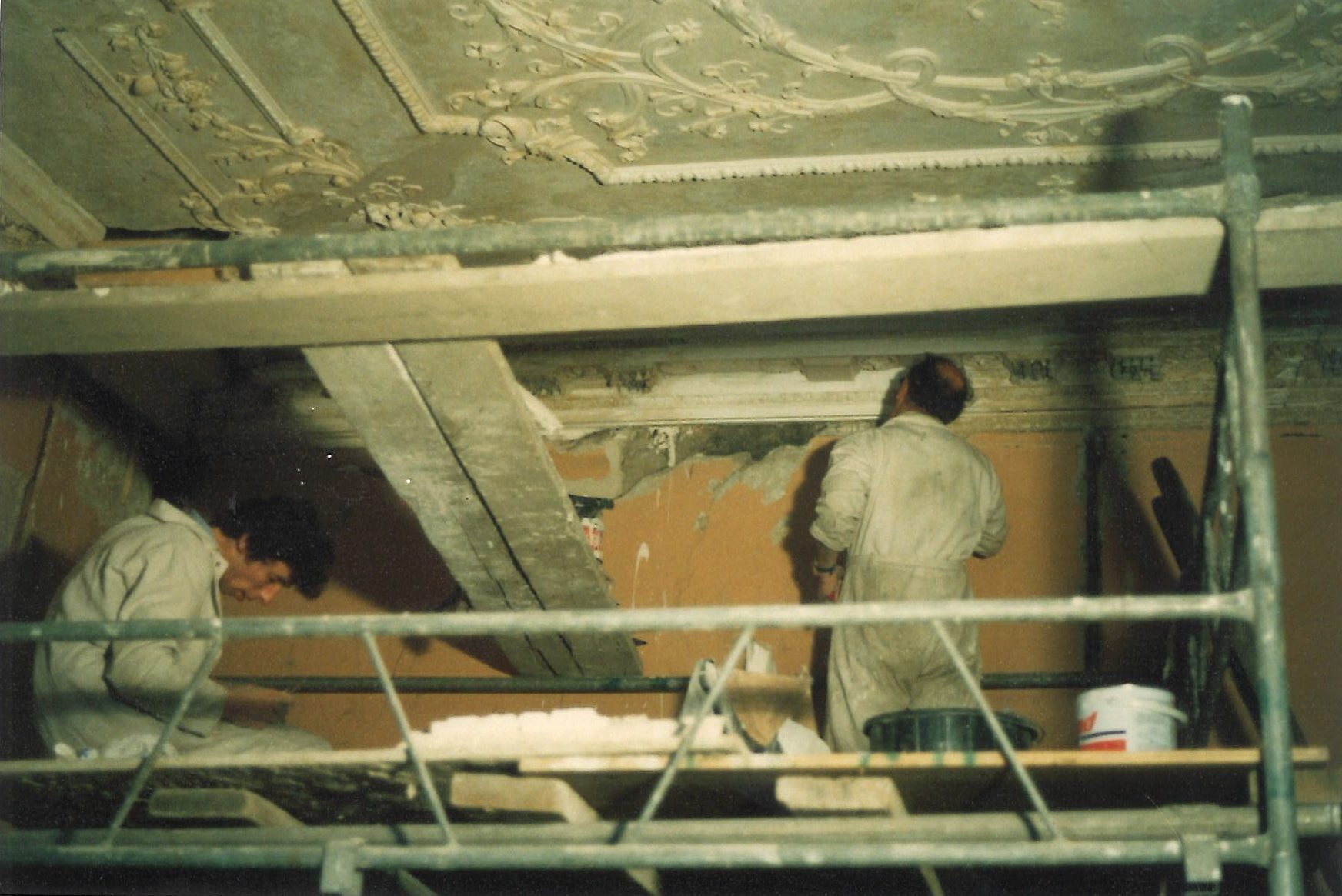
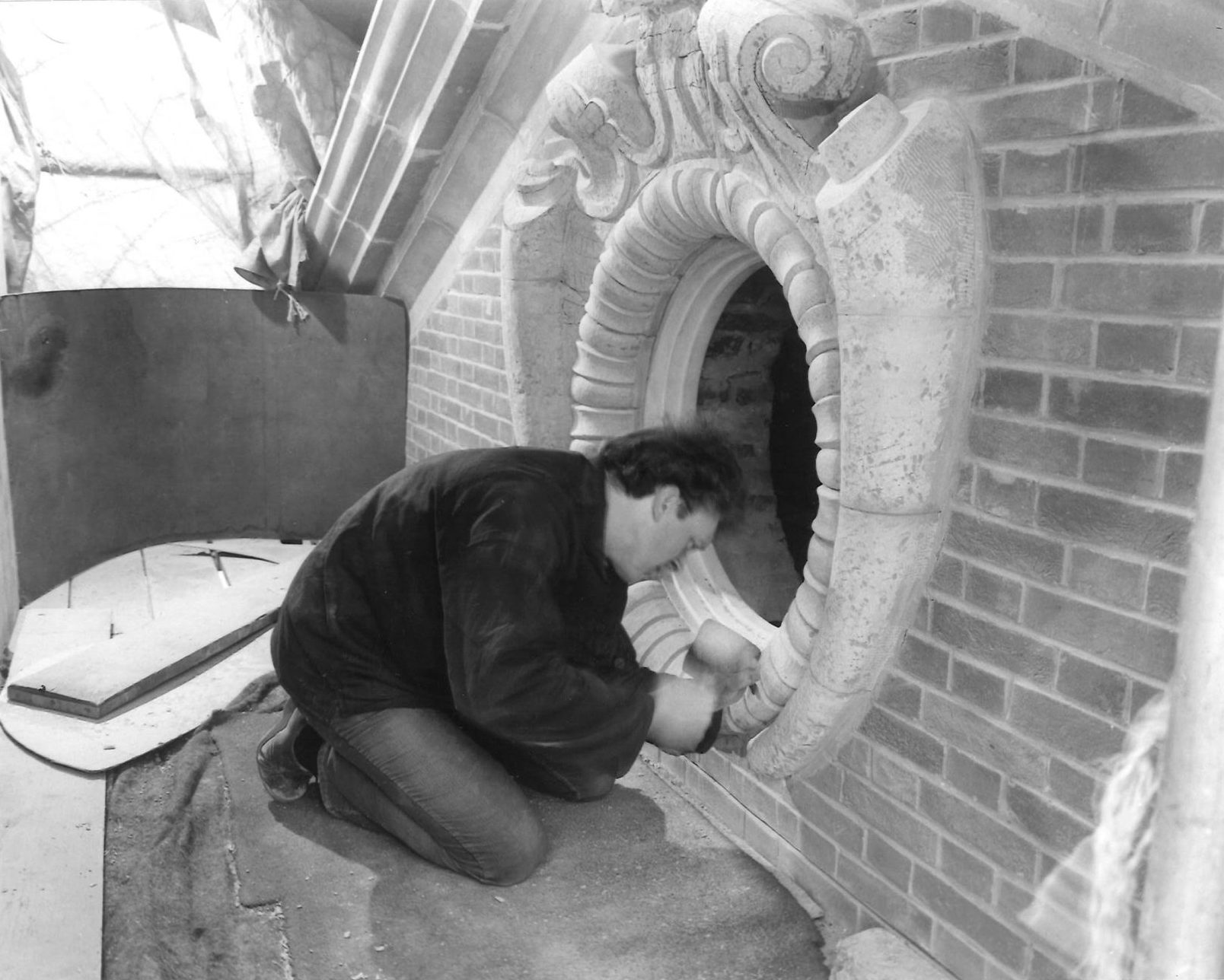
The restoration was completed by a specialist team of largely locally based craftsman. The scale of the work was enormous – it took 20,000 man-hours just to clean the stucco work on the ceilings and walls!
The restoration took almost 4 years, and Fairfax House finally opened to the public as a museum by the Duchess of Kent on 31 October 1984. The house was populated with the extensive Noel Terry Collection of Georgian Furniture [link to Noel Terry’s story] to give the house its unique lived-in feel.
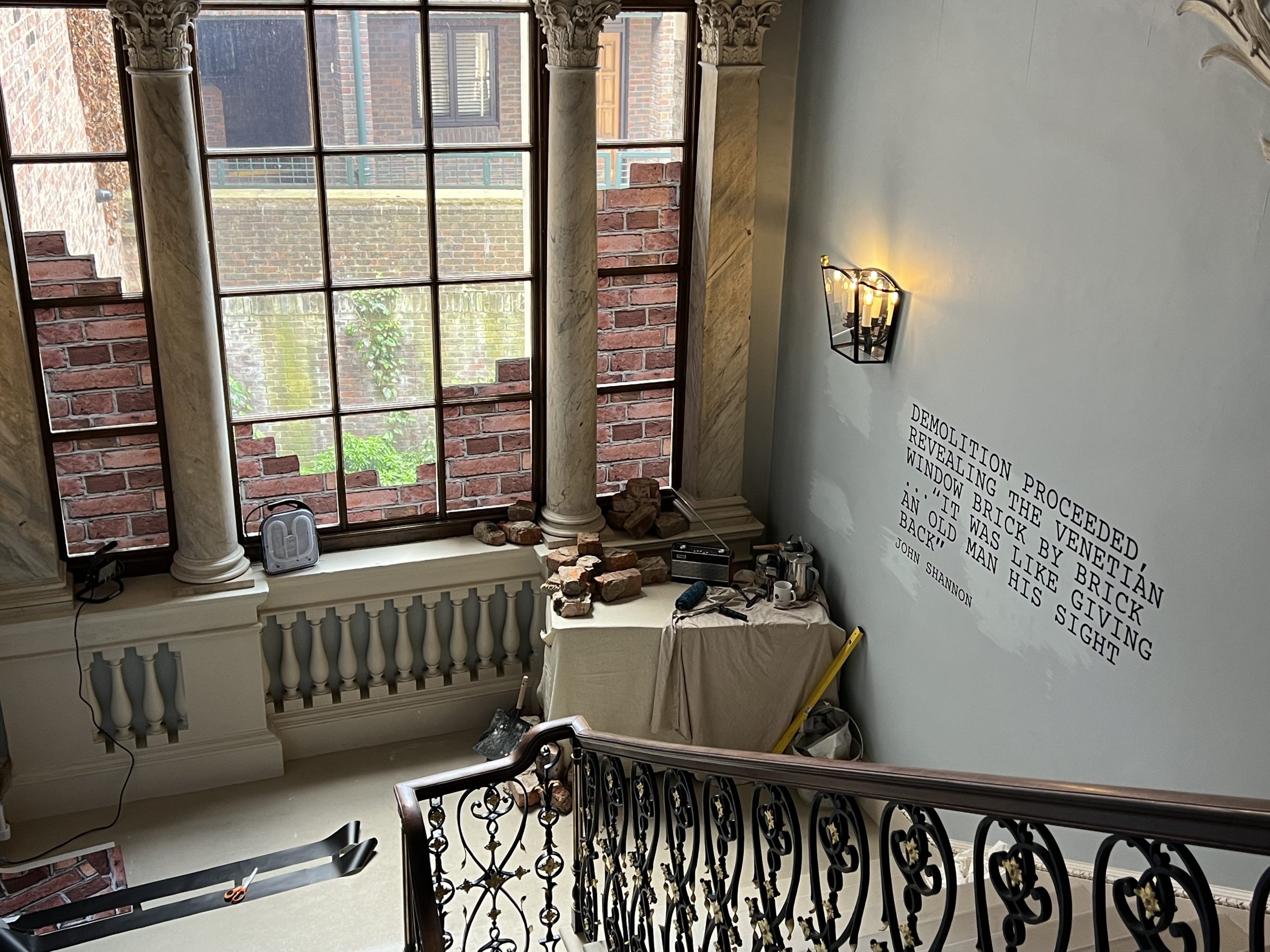
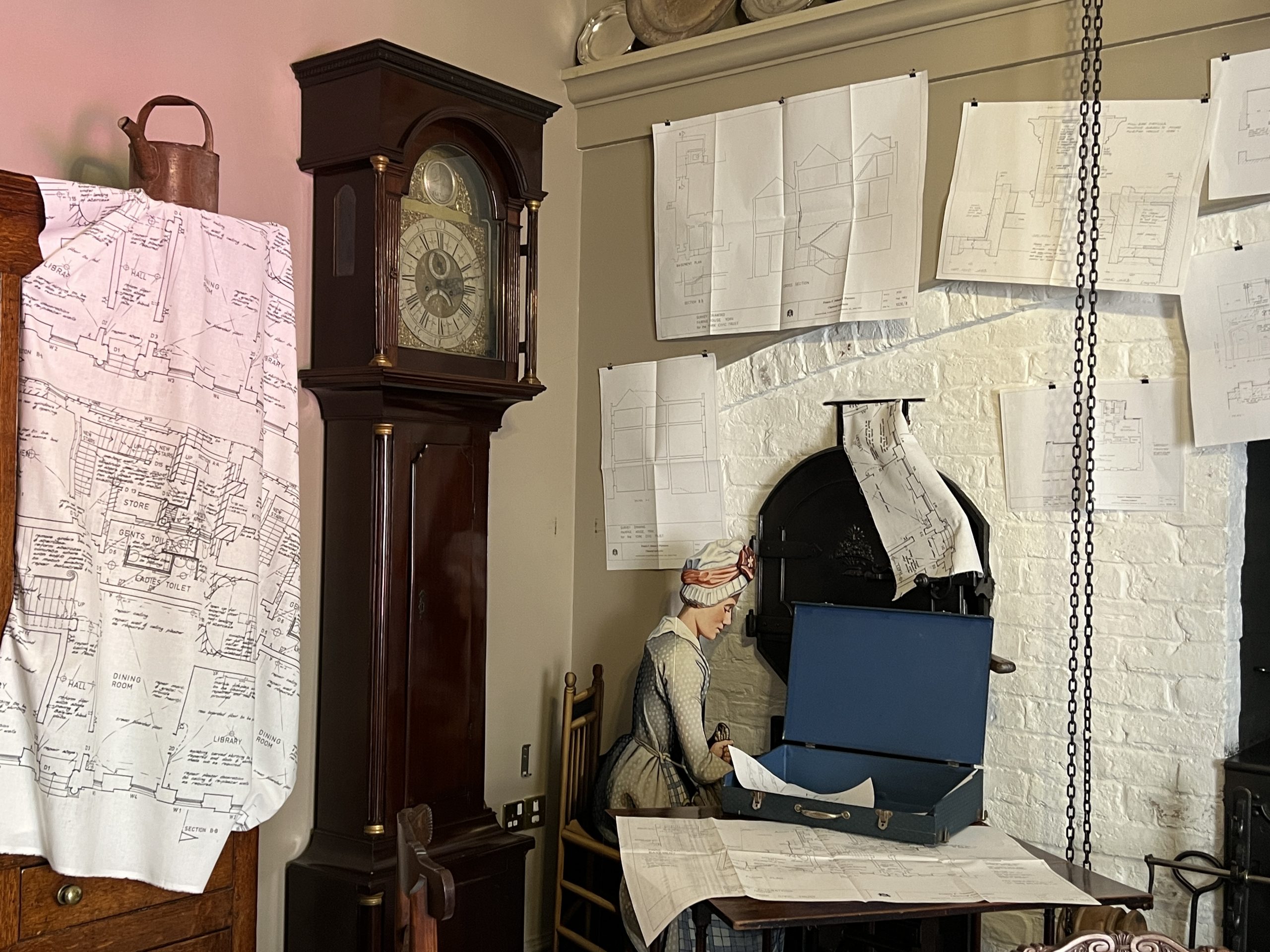
2024 marks the 40th Anniversary of the Restoration of Fairfax House – we’re telling the story in our latest exhibition – Restoration: A Townhouse Reborn.